Payments on the go: Making sense of the evolving mobile payments landscape - Include introduzione al contesto italiano - ABIEventi
←
→
Trascrizione del contenuto della pagina
Se il tuo browser non visualizza correttamente la pagina, ti preghiamo di leggere il contenuto della pagina quaggiù

www.pwc.com/fsi

                       Payments on the go:
                       Making sense of the evolving
                       mobile payments landscape

Include introduzione
al contesto italiano
Payments on the go: un’istantanea del mercato
italiano

Le pagine che seguono presentano       tramite mobile; è in quest’anno                                 anche rispetto agli altri Paesi
alla comunità finanziaria italiana     che cominciano infatti a                                        europei, il mercato è ancora poco
alcuni spunti di riflessione           registrarsi i primi dati di qualche                             sviluppato (nel 2014, il transato
elaborati dal Financial Services       rilievo per volumi di transazione                               del MP è stato di 0,2 miliardi su
Institute di PwC sulla diffusione e    eseguite (nel 2014 si sono                                      950, pari allo 0,02% del valore
lo sviluppo del Mobile Payments        registrate 6 milioni di transazioni                             totale dei consumi italiani3). Nella
(MP) negli Stati Uniti, indagando      relative al mobile remote                                       classifica relativa al MP Readiness
le sue prossime evoluzioni e           payment1).                                                      Index4, l’Italia si trova infatti in
suggerendo possibili indirizzi                                                                         terz’ultima posizione su 34 stati
futuri. Ciò permetterà di ricavare     Con il passare del tempo il                                     analizzati. Uno dei motivi è il forte
alcuni utili elementi di confronto e   concetto di MP oltreoceano è                                    attaccamento italiano al denaro
di differenza anche con il mercato     cambiato e si è ampliato: oggi con                              contante, ancora largamente
italiano.                              questo termine si intende la                                    utilizzato (circa l’86% delle
                                       possibilità di pagare prodotti e                                transazioni di importo inferiore a
Se negli States il MP era già          servizi, sia in prossimità che da                               100 € è effettuato in contante,
diffuso a partire dagli inizi degli    remoto e trasferire denaro con gli                              rispetto al 59% delle transazioni in
anni novanta (alcune compagnie         smartphone. Il livello di diffusione                            contante in Europa) e il ritardo
petrolifere consentivano ai propri     di questa forma di pagamento è in                               nell’adozione delle tecnologie
clienti di pagare direttamente alla    Nord America in forte espansione                                adeguate.
pompa con dispositivi RFID,            (+30% di crescita prevista per il
mentre diverse organizzazioni di       2015 rispetto all’anno
beneficienza raccoglievano denaro      precedente2), mentre in Italia,
attraverso mobile donations), per
il mercato italiano è il 2014 l’anno   1   Osservatorio Mobile Payment & Commerce del                  3 Osservatorio Mobile Payment & Commerce del
reale d’avvio dei pagamenti            2
                                           Politecnico di Milano
                                           Forrester Research, “US mobile payments forecast, 2014 to
                                                                                                         Politecnico di Milano. “Mobile Payment & Commerce: un
                                                                                                         ponte tra il mondo fisico e il mondo digitale.” 2013-2014.
                                           2019,” November 17, 2014                                    4 http://mobilereadiness.mastercard.com/the-index

                                                                                                                                                                 2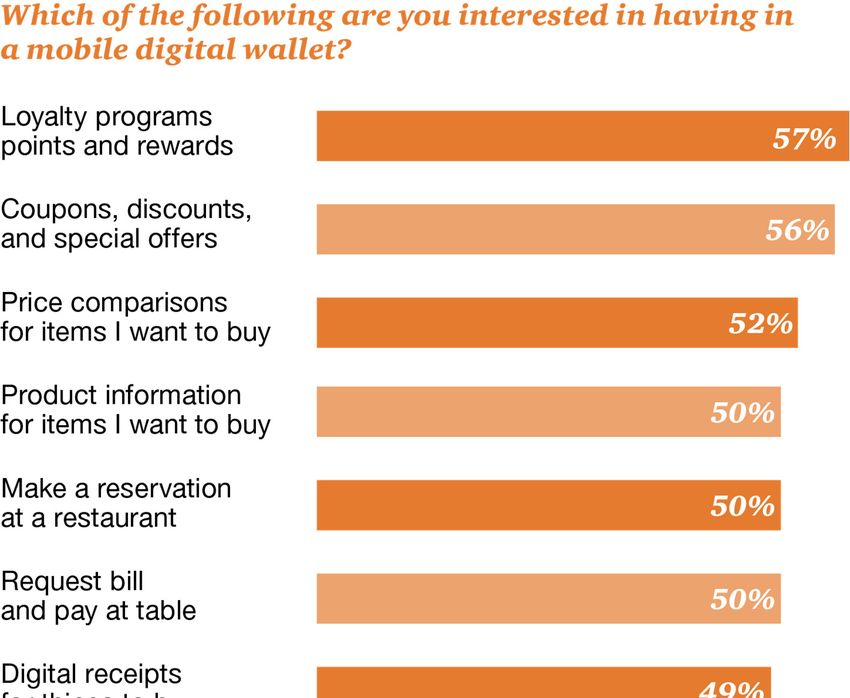
In aggiunta, nel mercato italiano
si registrano quasi esclusivamente
operazioni di mobile remote
payment con tassi di crescita
simili a quelli americani (15%
annuo circa): questa è la forma di
pagamento in prevalenza legata
alla possibilità di utilizzare gli
smartphone per il pagamento di
bollettini, parcheggi, trasporti e
car sharing, che negli States è gia
utilizzata anche per il pagamento
di prodotti a distanza.

Nonostante il ritardo italiano ad
oggi registrato, nell'adozione del
MP e delle nuove tecnologie
collegate (quali i sistemi NFC ed i
contactless Pos), i segnali per i
prossimi anni sembrano positivi.
Secondo una ricerca                     Il MP nel mondo delle                 Solo più di recente si è cominciato
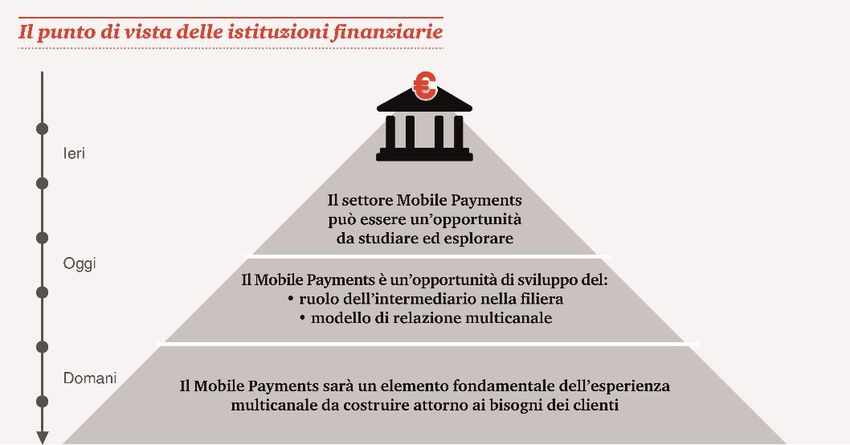
dell'Osservatorio Mobile Economy        Financial Institutions                a guardare al MP come ad
ci si aspetta infatti, entro il 2018,                                         un’evoluzione dei pagamenti
un forte sviluppo del mobile                                                  tradizionali ed una potenziale
proximity payment, ovvero i             Come emerge dal documento             opportunità di sviluppo e di
pagamenti in prossimità effettuati      americano, il MP è stato percepito    rafforzamento del ruolo
con lo smartphone (tra 2,5 e 5          inizialmente dalle istituzioni        dell’intermediario finanziario
miliardi di euro) e delle               finanziarie, specialmente banche,     nella filiera dei pagamenti, oltre
transazioni effettuate attraverso i     come una minaccia. La possibilità     che un’opportunità per creare un
Mobile Pos per acquistare beni e        di creare nuovi modelli di business   modello di relazione multicanale
servizi (circa 2 miliardi di euro).     legati ai pagamenti e il              con il cliente, dove i dispositivi
                                        conseguente ingresso di nuovi         mobili rappresentano un pilastro
Un incentivo allo sviluppo in Italia    competitor nel mercato dei            fondamentale. Negli anni recenti
potrebbe arrivare dalle Pubbliche       pagamenti, anche se il loro peso      le banche italiane hanno iniziato a
Amministrazioni. Ad oggi sono           resta tuttora marginale, ha           proporre soluzioni innovative ed
infatti ancora poche le PA e gli        portato gli intermediari finanziari   alcune prime esperienze di
Enti (inclusi Comuni e Città            a ripensare alla catena del valore    successo si sono affermate anche
metropolitane) che hanno                dei pagamenti nel suo complesso       in Italia, sia basate sul modello
sviluppato applicazioni per il          per cercare di mantenere un           NFC sia remote.
pagamento dei servizi di pubblica       presidio sui clienti che sono alla
utilità in mobilità (le principali si   ricerca di forme di pagamento più
legano alla vendita online di           innovative e in mobilità.
ticket).                                                                      A tendere la competizione fra le
                                                                              diverse soluzioni si giocherà sulla
A questo proposito il Governo                                                 capacità da parte dei diversi
italiano, nell’ambito delle                                                   player di garantire al cliente non
iniziative legate all’Agenda                                                  solo sicurezza ed affidabilità dei
Digitale (es. Nodo dei Pagamenti,                                             sistemi, ma anche un’esperienza di
Identità digitale, etc.), sta                                                 pagamento positiva ed integrata
promuovendo lo sviluppo dei                                                   con tutti i servizi del mobile wallet.
servizi digitali offerti dalle PA e
spronando alla maggiore
diffusione di questi.

                                                                                                                  3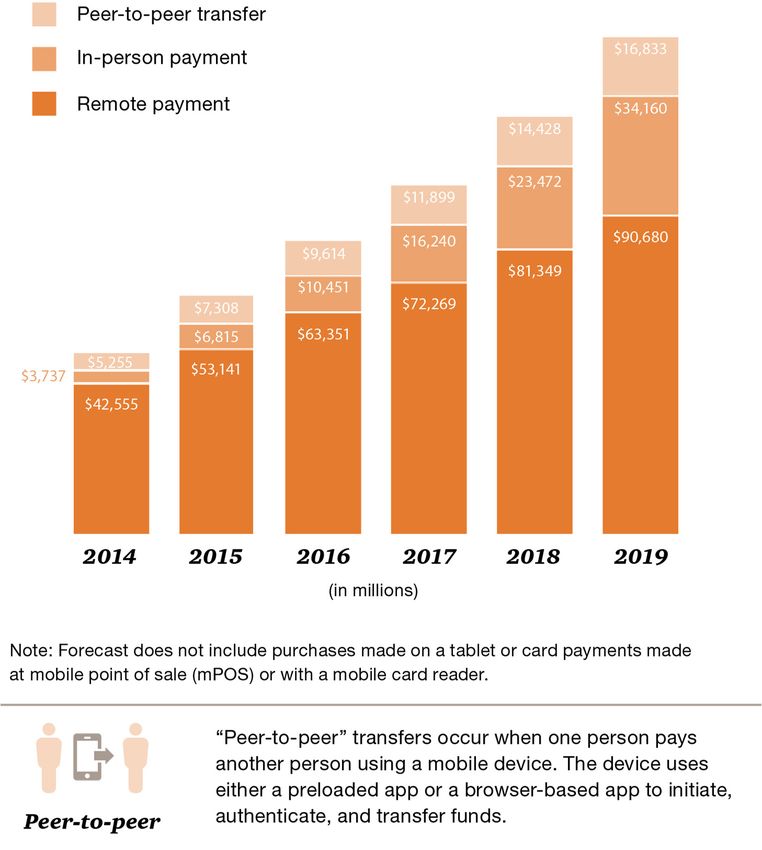
A questa opportunità stanno già I fattori critici di La sfida per gli operatori sarà
lavorando da tempo gli over the successo dunque quella di far leva da un
top (Google, Apple, Microsoft e lato su valori di base quali
Samsung), che a poco a poco si comodità, sicurezza e velocità,
stanno affacciando anche al Come insegna l’esperienza dall’altro di garantire insieme al
mercato italiano e che basano le americana, i principali fattori che pagamento anche servizi
loro soluzioni proprio nel corso dei prossimi anni aggiuntivi quali:
sull’esperienza distintiva nel incideranno in maniera
pagamento da far vivere al significativa sullo sviluppo e la
cliente. Sarà interessante valutare diffusione del MP sono la loyalty program, coupon,
quanto il mercato degli customer experience, l’utilizzo e la premi e sconti;
smartwatch potrà rafforzare la sicurezza dei dati, la servizi informativi pre e post
user experience di un acquisto in collaborazione e la partecipazione vendita (quali ad esempio:
mobilità e trainare il business dei dei diversi attori coinvolti nella filiera. suggerimenti, confronto prezzi
pagamenti. Ad oggi le previsioni e informazioni sui prodotti);
di vendita di Apple Watch integrazione dei diversi sistemi
A conferma, la recente indagine di di pagamento (peer to peer,
PwC7 sulla user experience nel proximity e remote).
indicano5 circa 2,8 milioni di soli mercato italiano dimostra che il
preordini in US contro i 3,27 cliente non è di fatto ancora in
milioni di iPad 1 venduti nel grado di percepire il valore del Da non trascurare gli aspetti di
relativo primo trimestre dal MP come strumento di pagamento protezione e corretto uso dei dati
lancio. Considerando che in tutto in sé, alternativo al tradizionale personali: questa è una delle fonti
il 2014 sono stati venduti utilizzo di carte e contanti, ma solo di maggiore preoccupazione del
globalmente6 circa 6,8 milioni di come parte integrante di cliente. È necessario infatti che le
wearable da polso, tra un’esperienza legata ai istituzioni finanziarie prestino
smartwatch e braccialetti da beni/servizi che sta acquistando. attenzione allo sviluppo di
fitness, si può prevedere che il adeguati e sofisticati metodi di
biennio 2015-2016 sarà un authorization e authentication.
periodo di forte cambiamento per Questi vanno poi opportunamente
il settore dei wearable e dei comunicati e fatti percepire al
relativi servizi abilitati, tra cui i cliente finale senza penalizzare
pagamenti in mobilità. l’usabilità e l’esperienza di
pagamento.
5 Dati di vendita Apple, Slice Intelligence, maggio 2015 7 PwC, “Total Retail 2015. Analisi dei risultati per il
6 Analisi Smartwatch Group, febbraio 2015 mercato italiano e confronto con i principali Paesi”, 2015
4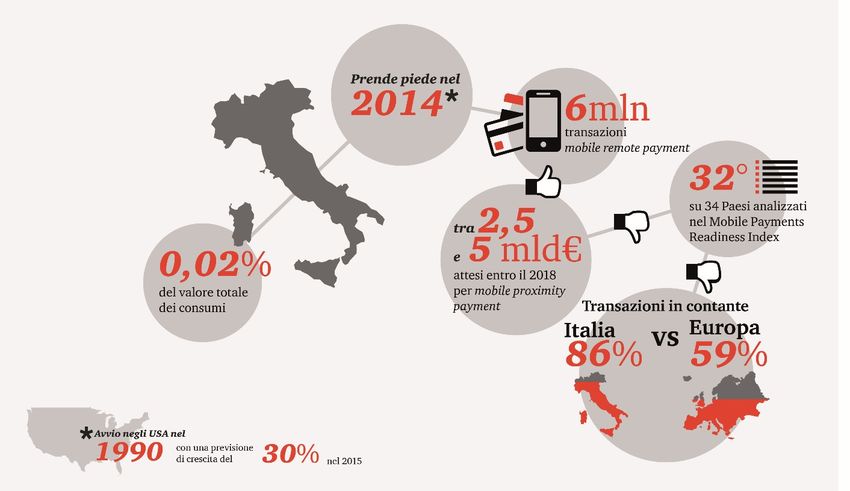
Potenziali opportunità                 Gli aspetti di data monetisation                       La sfida per l’Italia consisterà nel
                                       infatti sono quelli su cui si stanno                   puntare a soluzioni integrate ed
                                       concentrando i principali                              interoperabili più sicure e
Un freno da rimuovere allo             operatori del mercato americano.                       convenienti, sia per il cliente sia
sviluppo del MP, sia nel mercato                                                              per il merchant. In tale contesto
italiano sia nord americano, è la      Alcuni dati posso dare un segnale                      saranno di supporto quegli
collaborazione spesso difficoltosa     del fenomeno8: se il Global                            interventi legislativi che tramite
tra i diversi attori coinvolti nella   Advertising Spending è dato                            adeguati sistemi di incentivi
filiera (operatori telefonici, PSP,    crescere a un CAGR del +4,7% tra                       favoriscano sempre più lo
merchant).                             il 2015 e il 2019, nello stesso                        sviluppo del digitale e dei
                                       periodo il Global Consumer                             pagamenti elettronici (es. incentivi
In particolare, i merchant/retailer    Spending salirà di solo il +2,9%.                      fiscali per adottare sistemi di
non considerano il MP come un          Questo significa che il mercato                        accettazione/App per veicolare in
servizio sufficientemente              sarà ancora più dipendente dagli                       elettronico volumi significativi di
redditizio e dimostrano una certa      investimenti in pubblicità, e da                       transazioni anche per importi
riluttanza ad investire in nuove       quanto i merchant sapranno                             inferiori ai 50€).
tecnologie di cui non percepiscono     essere distintivi in tale contesto.
benefici immediati. Un possibile                                                              Customer experience, marketing
incentivo per questi merchant          Sul lato dell’offerta, i diversi attori                automation, utilizzo e sicurezza
potrebbe essere legato allo            stanno lavorando sulla customer                        dei dati, importanza di servizi
sfruttamento e monetizzazione dei      experience, integrando il MP con                       addizionali sono alcune delle
dati sottostanti le transazioni di     servizi addizionali, consentendo al                    riflessioni su tendenze ed
pagamento.                             merchant/retailer l’accesso ad                         evoluzioni future che possono
                                       una mole di dati strutturati e                         rappresentare un sicuro spunto
Altro elemento rilevante è quello      utilizzabili per permettergli di                       anche per gli operatori del
rappresentato dalla gestione delle     rafforzare la conoscenza e la                          mercato italiano; tali aspetti
informazioni. Il MP è in grado di      relazione. In Italia, pur nella                        vengono ripresi e discussi nel
veicolare una mole significativa di    coscienza di dover sfruttare al                        punto di vista sul mercato
dati relativi alle abitudini di        meglio i dati delle transazioni                        americano che illustra come
acquisto del cliente che, se gestite   come una opportunità per                               evolvere nel MP.
ed utilizzate adeguatamente,           conoscere meglio il cliente, sono
possono garantire al                   presenti sul mercato ancora poche
merchant/retailer una visione          iniziative e progettualità di rilievo
complessiva di comportamenti e         che facciano da traino per il lancio
abitudini del proprio cliente.         di questi servizi.

La disponibilità di dati su gusti,     Lato domanda, per evitare freni e
consuetudini e tipologie di            tutelare il consumatore, ma anche
acquisto, se opportunamente            per incrementare la fiducia dei
integrate con le informazioni          consumatori e la crescita
derivanti dagli altri canali di        dell’innovazione digitale, a livello
vendita, potrebbero essere             UE è in corso di definizione la
sfruttate per sviluppare campagne      normativa di contesto9 che
promozionali e di marketing,           dovrebbe essere applicata a
offerte, sconti e premi                regime nel biennio 2017-2018.
personalizzati per il singolo
consumatore, aumentando il
valore dell’offerta al cliente e
rafforzando la relazione.

                                       8   PwC, “Global Entertainment & Media Outlook 2015-
                                           2019”, giugno 2015
                                       9   General Data Protection Regulation (GDPR)

                                                                                                                                 5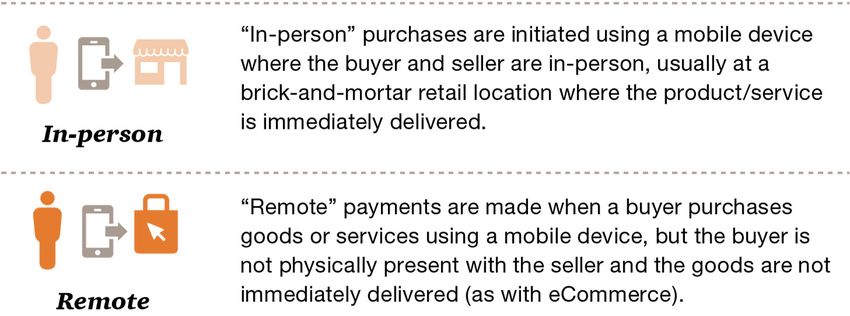
Contatti

Marco Folcia              Gianluca Meardi
marco.folcia@it.pwc.com   gianluca.meardi@it.pwc.com
(02) 66720433             (02) 66720396
The heart of the matter

Despite an estimated $142 billion market for
mobile payments by 2019, few solutions have
gained traction in the US.1 Scattered successes
among a few providers have revealed what may
be the logical direction for success, but the
landscape is still fragmented and unknown.
To succeed, a mobile payment system will have to
solve multiple issues that have stymied adoption
in the past. How should merchants and technology
innovators work out the best plan for moving
forward?

Mobile phones have already                                       Nevertheless, it remains difficult for   Whichever mobile payment system
revolutionized our lives, often taking                           merchants who want to save money         succeeds, it will have to entice
the place of cameras, calculators, and                           and better serve customers to figure     adoption on both sides of the
paper tickets from airlines. What                                out the best plan for participating in   equation; that is, it must appeal to
they haven’t replaced—yet—is                                     this increasingly important arena.       both merchants and customers. It
money. The mobile trend has also                                 While other international payment        will have to solve multiple issues that
spawned countless mobile payment                                 options, such as M-Pesa, have            have so far stymied adoption. These
systems, but most have gained little                             established a foothold in regions        range from convenience and user
or no traction among merchants or                                where payment alternatives were          experience to security and cost.
consumers in the US. 10                                          slim, the challenge in the US and
                                                                 other developed countries is
With the stakes rising, this is about                            different. In these countries,
to change. As seen in Figure 1,                                  innovators need to figure out more
Forrester Research projects that the                             than just delivering a convenient and
mobile payments market will jump to                              secure payment solution. They need
$142 billion by 2019.11 These stakes                             to offer a broader, more satisfying
have driven innovators to keep trying                            customer experience—one that
with unflagging zeal.                                            encompasses a much larger value
                                                                 chain that could involve loyalty
                                                                 rewards, discounts, and other
                                                                 incentives, and perhaps even perks
                                                                 and experiences no one has
                                                                 considered yet.

10   Forrester Research, “US mobile payments forecast, 2014 to
     2019,” November 17, 2014.
11   Ibid.

Payments on the go:
Making sense of the evolving mobile payments landscape                                                                                       7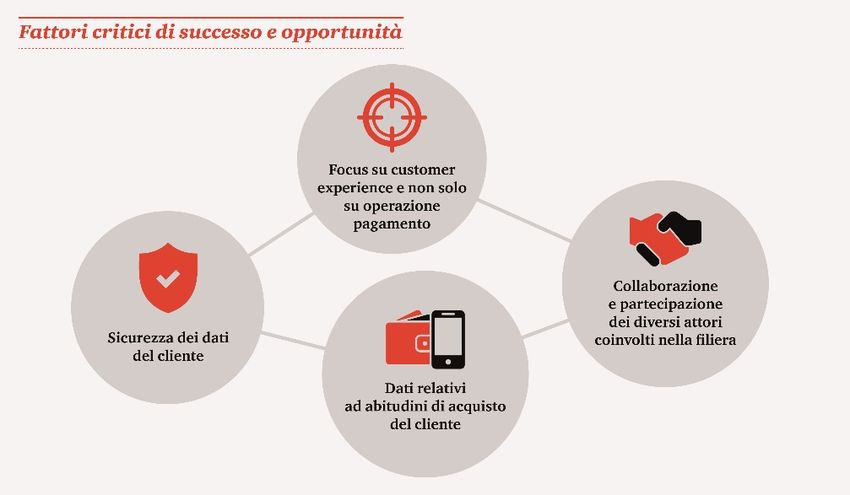
Figure 1: US mobile payments expected to hit $142 billion by 2019.

Source: Forrester Research, “US mobile payments forecast, 2014 to 2019,” November 17, 2014.

Payments on the go:
What mobile means for merchants and tech players                                              8
An in-depth discussion

A short history of mobile                       For years, companies have tried to                         technology players. Merchants are
payments                                        figure out ways to make mobile                             also hesitant to invest. New payment
                                                payments simple, almost all without                        solutions may require costly new
Several years ago, as we noted in our
                                                widespread success. Startups such as                       point-of-sale devices and software
2011 FS Viewpoint, Dialing Up a
                                                Bling Nation, FaceCash, FonePays,                          implementations or, if handled by
Storm, financial institutions were at
                                                and Obopay have come and gone.12                           another party in the process,
risk of losing their place in the
                                                Even larger, established companies                         merchants may lose insight into
payments value chain to telcos,
                                                have had trouble with mobile                               which customers are buying which
technology innovators, and device
                                                payment systems. In 2010, AT&T                             items.
manufacturers, among others. That
                                                Mobility, T-Mobile, and Verizon
threat is still alive today, but it’s                                                                      At the same time, consumers are
                                                Wireless announced the Isis Mobile
become clear that mobile payment                                                                           reluctant to switch to a payment
                                                Wallet (renamed Softcard in 2014),
solutions are part of an evolution,                                                                        system that has not been proven to
                                                eventually teaming with major card
rather than a revolution, in a                                                                             be more convenient or more secure
                                                companies. By leveraging near-field
changing payments landscape.                                                                               than what they already use. Indeed,
                                                communication (NFC) technology,
                                                users were able to pay by tapping a                        lacking additional incentives,
Even what we think of as “mobile
                                                payment terminal with their mobile                         consumers have little reason to
payments” is changing. As early as
                                                device. However, as with other                             switch to something that requires
the 1990s, oil companies began
                                                efforts, its potential for success was                     downloading a new app and shifting
developing RFID chip-enabled
                                                unclear. While Google shut down                            ingrained habits from a card swipe to
devices that customers could wave at
                                                Softcard’s operations after it                             a relatively more complicated
the pump to buy gasoline. Charities
                                                acquired the company in 2015, it is                        smartphone. As seen in Figure 2,
have raised millions of dollars by
                                                leveraging certain aspects of the                          consumers expect many services to
enabling givers to send text-message
                                                technology in Google Wallet.                               be included in a mobile wallet.
donations that are charged to their
wireless accounts and passed on to
                                                In the face of complexity,
charities by their carriers. More
                                                success remains elusive
recently, companies like Square have
given food truck vendors and other              Why is success so elusive? There is
small businesses the ability to accept          no single answer, because mobile
credit card payments with a small               payments are elbowing their way into
card-reading device that works with             an established, complicated
smartphones and tablets. Although               ecosystem. Getting financial services
these are all forms of mobile                   players, card networks, merchants,
payments, in this article we focus on           smartphone manufacturers, and
the “in-person” solutions that enable           telcos to collaborate was never easy.
customers to use their smartphones              The question of how best to avoid
to pay for goods and services at                fraud risks was also difficult to
brick-and-mortar locations.                     answer.

                                                Now, efforts have been made more
                                                difficult by the entrance of innovative

                                                12   Adams, John. “Why Great Mobile Payment Ideas Fail.”
                                                     American Banker Bank Technology News.
                                                     www.americanbanker.com, accessed March 1, 2015.

Payments on the go:
Making sense of the evolving mobile payments landscape                                                                                      9
The increasing
Figure 2: Consumers expect many services to be included in a mobile wallet.
importance of data
Another crucial aspect hovers over
the mobile payment ecosystem: the
importance of data revolving around
the transaction. It’s no longer a
discrete question of what was bought
and where. With data from many
mobile devices, merchants can now
unearth a variety of insights: whether
consumers are responding to a
promotion, or if they patronize a
particular establishment at a regular
time each day. Mobile payments
deliver more context about a
transaction than ever.
The availability of this data creates
challenges. Every participant in the
ecosystem understands the value of
data, but they’ve been forced to deal
with incomplete views. For instance,
merchants know how often
customers come in and what they
buy. They don’t know how often
customers shop at competitors,
though some card issuers and larger
processors do. Issuers, however, may
have visibility into the where but not
necessarily the what. Knowing this
information provides the ability to
digitally influence and measure sales.
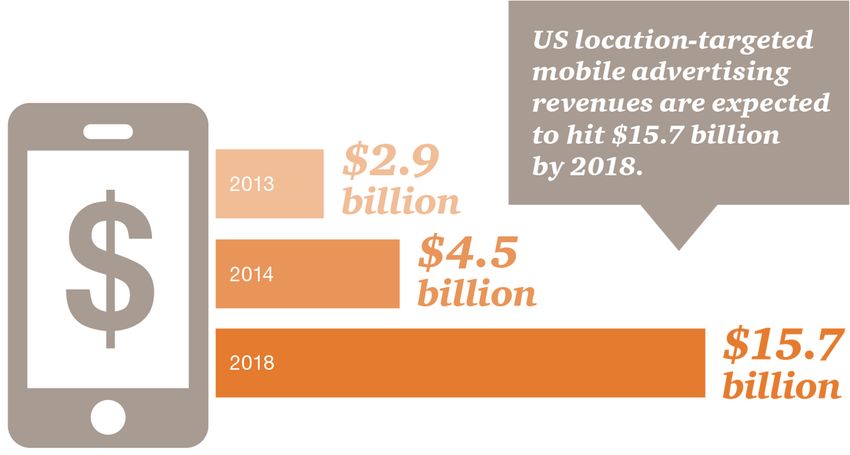
As seen in Figure 3, analysts predict
that location-targeted mobile ad
spend in the US will triple between
Source: Forrester Research, “US mobile payments forecast, 2014 to 2019,” November 17, 2014.
2014 and 2018. Each participant in
the value chain—merchants, issuers,
The fundamentals of debit and credit which double as issuers and acquirers, processors, and carriers
transactions in and of themselves are networks. With mobile payments, alike—is scrambling to stake its
complex, too. The payments mobile phone manufacturers are claim.
ecosystem encompasses issuing and continuing to enter the fray—as
acquiring banks, networks (such as evidenced by Apple Pay and
Visa and MasterCard), processors Samsung Pay.
(First Data, Global Payments, and
others), merchants, and, of course,
consumers. The ecosystem is
muddied by players such as
American Express and Discover,
Payments on the go:
Making sense of the evolving mobile payments landscape 10Figure 3: Location-targeted mobile ad spend will triple between 2014 and 2018.
Source: BIA/Kelsey, “U.S. Local media forecast – mobile edition (2013-2018).”
The most salient underlying question That means mobile payment Merchant support, however, is only
for success lies in who controls the solutions must take into account the half the equation. Customers must be
relationship with the customer and, cost to merchants of new technology. willing to adopt new technologies.
therefore, who has access to Point-of-sale (POS) hardware and Experience shows that they will do so
transactional data. While other software can cost several thousand only when it is convenient, enhances
participants within the value chain dollars per checkout lane; even for a their overall experience, and makes
have a variety of views around national merchant getting a volume them feel confident that their
transactional data, only the merchant discount, that represents an financial information and transaction
has a direct relationship with the investment of millions of dollars.13 data are protected from fraud.
consumer—knowledge of who Joe And that’s just for POS hardware and Consumers took years to warm up to
Smith is, as well as what he is software: installation, credit and debit cards, only doing so
purchasing. Thus, any successful implementation, certification, and once they understood the
mobile payment solution must start back-end integration not included. convenience these cards provided,
with a strong foundation of merchant along with additional protections
support, and it must address A solution that requires significant through regulation. Customer
merchants’ concerns about potential financial investment without adoption of mobile payments will
fraud risks. providing a clear benefit to require new capabilities beyond the
merchants is likely to stall. But one status quo.
that helps them further solidify the
customer relationship—by extending
the transaction beyond the payment
into the associated realms of loyalty,
convenience, coupons, rebates, and
other tools—has a greater chance for
success.
13 CostHelper. “How Much Does a Point of Sale System
Cost?” http://smallbusiness.costhelper.com/point-of-
sale.html, accessed March 1, 2015.
Payments on the go:
Making sense of the evolving mobile payments landscape 11A snapshot of current technologies
Do the latest offerings meet our criteria? A look at four major competing solutions reveals their
strengths and limitations.
Solution and provider First launched Strengths Limitations
Apple Pay (Apple) October 2014 Has not attempted to supplant any Its NFC contactless technology is
player in the current ecosystem, only accessible to iPhone 6 users.
which has allowed Apple to create Disabled by some merchants
partnerships with ecosystem aligned with CurrentC.
participants.
Less than 3% of retailers currently
Uses a combination of tokenized support NFC on their POS
and biometric security. terminals. The October 2015 EMV
Strong consumer following. chip card compliance deadline will
inevitably expand the number of
compatible terminals as merchants
upgrade to newer systems.
Currently is not integrated with
merchant loyalty programs.
CurrentC (Merchant 2015 (scheduled) Uses QR codes and scanners Privacy concerns over CurrentC’s
Customer Exchange, or rather than NFC terminals. intentions to share purchasing data
MCX) Is device-agnostic and works with with developers, app stores, and
Android and iOS operating phone manufacturers may deter
systems. consumer adoption.14
Uses tokenized security. Requires multi-step payment
process: opening the app, and then
Points customers earn at one store scanning and confirming the codes.
are usable at others within the MCX
network.
Lower transaction fees for
merchants.
Google Wallet (Google) September 2011 Stores loyalty cards, gift cards, and Limited traction with mobile carriers
coupons. and merchants.
Allows funds transfer through Impact of February 2015 acquisition
Gmail. of Softcard unclear.
Works on hundreds of Android
phone models, arguably giving it
the broadest global reach.
Samsung Pay15 2015 (scheduled) Partnerships with major credit cards Available only on limited number of
and financial institutions. Samsung phones.
Proprietary security tokenization
technology called Magnetic Secure
Transmission.
Source: PwC analysis.
14 Constine, Josh. “CurrentC Is The Big Retailers’ Clunky Attempt To Kill Apple Pay And Credit Card Fees.” TechCrunch. http://techcrunch.com/2014/10/25/currentc/, accessed March 1, 2015.
15 Samsung Mobile Press. “Samsung Announces Samsung Pay, A Groundbreaking Mobile Payment Service.” www.samsungmobilepress.com, accessed March 15, 2015.
Payments on the go:
Making sense of the evolving mobile payments landscape 12The importance of OpenTable. Customers can use the At the same time, to spur merchant
customer experience app to search restaurants, make adoption, a payment solution must
reservations, and even pay for the accommodate the collection and
At the heart of many technology
meal (plus tip) at its conclusion. analysis of marketing and purchasing
solutions—especially those relating
Their rewards points are stored in data. Apps must link to back-end
to mobility—is the question of
the system for later use. The app can “commerce platforms” to track data
customer experience. It’s particularly
also e-mail receipts for expense about the customer, from which
important because smartphone apps
reimbursement. merchants derive benefits on an
give many enterprises direct access
ongoing basis. How frequently do
to customers they have never had Uber. In addition to ordering pick- customers visit? What do they
before, for example through indirect ups, customers can see the fees usually buy? Are there ways to use
selling or distribution models. How they’ll pay ahead of time. Because this information to cross-sell or up-
can enterprises make customer they pay with stored payment sell? How can this information be
interactions so smooth and credentials, there’s no back-and- used on a macro level to craft
frictionless that they become a forth with the driver at the end of the marketing campaigns that entice
competitive advantage, especially in ride. Customers can give feedback to similar demographics?
a digitized world where drivers, and vice versa.
differentiation is harder than ever to Merchants, in turn, can use the
achieve? The key point to remember: to spur information to offer discounts,
customer adoption, the transaction rebates, rewards, coupons, or other
Clearly, replacing an action as simple must be experience-driven, not enticements, essentially creating a
as the swipe of a magnetic strip (or device-driven. In fact, the best priceless loop of customer
soon, a chip-and-pin dip, tap, or transactional systems might just be engagement. Overall, mobile
wave) is not sufficient. Just as device-agnostic. If customers can payment solutions must serve both
merchants have to derive an choose from systems that help them these constituencies to succeed.
advantage in a mobile payment beat waiting for taxis or waiting in
solution, so do consumers. Some line for lunches or just generally save
app-based payment systems have time, they’ll be intrigued and
already been widely adopted by eventually enticed.
consumers, and those successes
highlight some key lessons that may
also apply to other payment
solutions:
Starbucks. Consumers benefit
because they can use the app to find
locations, order drinks for pick-up,
get product offers, and see
nutritional information. They can
pay for the transaction using a
scanned QR code, and do so with
stored payment credentials, taking
advantage of rewards points that can
be used at the time of purchase.
Payments on the go:
Making sense of the evolving mobile payments landscape 13What this means for your business
Why mobile payments Given all these interwoven can they do it in a way that retains—
must move beyond the dependencies, it’s important to and even expands, given the
transaction identify the overarching goal: to view increasing use of personal data—the
mobile payments not as a discrete trust that merchants and consumers
The apps used by Starbucks and
transaction but through the have in the system?
Uber offer a high level of customer perspective of the customer
service and intimacy, and represent Merchants. In the face of
relationship. It’s not the mobile
real value for the merchant and the complexity, merchants do not have
payment technology, per se; it’s the
customer alike. They solve a real opportunity to establish digital the luxury to remain on the sidelines
consumer problem in that they when it comes to mobile payment
engagement with customers. Ideally,
remove or reduce the friction in the solutions. Smartphones have become
that means deep engagement with
payment process. But they don’t loyal customers, as well as ways to extensions of our personas, and the
solve the overall mobile payment wallet is the most personal of
entice borderline loyalists and
conundrum simply because they personal possessions. Merchants
prospects, too.
represent high-frequency customer have an opportunity that cannot be
relationships. The mobile payment What will the future of wasted. They can actually sidestep
scenario for casual, infrequent mobile payments look the uproar over mobile payments
transactions still remains unsolved. like? and take advantage of the
There are no clear winners yet, and fragmentation by crafting their own
no clear recipes for success. The challenge for all the players in
branded, solution- and device-
this environment is complexity—the
agnostic options that extend the
That’s why we believe the mobile sheer spectrum of possibilities, from
intimate relationships they already
payment solutions market will creating one’s own app to figuring
have with customers.
remain fragmented, much as it is out how to integrate with various
now. New entrants will continue to offerings without setting up one-off, Furthermore, even as mobile
try to break into this market, and point-to-point solutions with each technology shines a bright light on
consumers will continue to choose participant. new ways to gather data, merchants
among multiple options when must maintain a grander perspective,
making purchases—cash, debit and Technology innovators. For
thinking about how to incorporate
credit cards, store cards, gift cards. providers in the payment value chain
information from multiple
(They will also retain these options to benefit from this turning point in
channels—mobile, web, in-store, and
as a backup for the unfortunate technology, they must work
more—into their customer
moment when their smartphone diligently to reduce complexity. They
engagement models. They must
battery dies and leaves them must figure out how they can retain
make sure they know that the Jane
temporarily impoverished.) Any new what makes the payment process
Smith who’s using a mobile device is
payment system must have a number work, while still creating ways to
the same Jane Smith who was sent a
of related attributes to be considered integrate advancements. How can
promotional ad 48 hours earlier and
successful: merchant acceptance, solution providers expose back-end who then went online to research
customer convenience, loyalty payment capabilities to
products 24 hours earlier. This
rewards, security, and privacy. accommodate whatever new
requires a sense of personalization
technologies might present and scale that may be new to many
themselves, and do so in a way that’s
merchants.
not only as plug-and-play as possible,
but as scalable as possible? And how
Payments on the go:
Making sense of the evolving mobile payments landscape 14At the same time, it will be critical to They may also need to make it easy Ultimately, the path forward for
navigate a regulatory and privacy for consumers to opt-out of data merchants does not solely revolve
landscape that is only partially collection at a later date. Merchants around the two options of either
defined and that will continue to will need to balance their desires to building an app or partnering with
evolve along with the ecosystem. completely control the experience one of the existing mobile payment
Today, consumers typically will against potential consumer backlash providers. Rather, it needs to address
accept an application’s terms of use over privacy rights. multiple strategies targeted at
when they download it, ceding gaining a stronger understanding of
control of how the data is used. In No matter what happens with digital technologies and their
the future, regulators may create regulations, merchants and others potential for improving customer
laws that align this “opt-in” model must be willing and able to answer engagement. Those who want to
with existing laws for the sharing of consumers’ questions about how plant the stake of success in this new
financial services data. This means their data will be used, disseminated, territory must start formulating their
that app developers may have to and purged. As a result, merchants plans now.
separate a consumer’s ability to use and others should design
an app from his or her permission to applications with these future
share data. capabilities in mind.
For a deeper conversation, please contact:
Payments A publication of PwC’s
Retail & Consumer Financial Services Institute
Andrew Luca Phil Bloodworth Marie Carr
andrew.j.luca@us.pwc.com phil.bloodworth@us.pwc.com Partner
(646) 335 4649 (214) 754 7919 Cathryn Marsh
Director
Gregory Holmes PJ Ritters Emily Dunn
gregory.holmes@us.pwc.com paul.j.ritters@us.pwc.com Senior Manager
(415) 498 7435 (612) 596 6356 Kristen Grigorescu
Senior Manager
Nathan Hilt Bryan Oberlander
nathan.hilt@us.pwc.com bryan.s.oberlander@us.pwc.com
(415) 498 8074 (617) 530 4125
http://www.linkedin.com/pub/nathan-
hilt/6/506/b45 Scott Bauer
scott.d.bauer@us.pwc.com
(678) 419 1128
About our Financial Services practice
PwC’s people come together with one purpose: to build trust in society and solve important problems.
PwC serves multinational financial institutions across banking and capital markets, insurance, asset management, hedge funds,
private equity, payments, and financial technology.
As a result, PwC has the extensive experience needed to advise on the portfolio of business issues that affect the industry, and we
apply that knowledge to our clients’ individual circumstances. We help address business issues from client impact to product design,
and from go-to-market strategy to human capital, across all dimensions of the organization.
PwC US helps organizations and individuals create the value they’re looking for. We’re a member of the PwC network of firms in 157
countries with more than 195,000 people. We’re committed to delivering quality in assurance, tax, and advisory services.
Gain customized access to our insights by downloading our thought leadership app: PwC’s 365™ Advancing business thinking
every day.
Follow us on Twitter @PwC_US_FinSrvcs
Payments on the go:
Making sense of the evolving mobile payments landscape 15Contatti Marco Folcia Gianluca Meardi marco.folcia@it.pwc.com gianluca.meardi@it.pwc.com (02) 66720433 (02) 66720396 “Payments on the go: Making sense of the evolving mobile payments landscape,” PwC, June 2015, www.pwc.com/fsi © 2015 PricewaterhouseCoopers LLP, a Delaware limited liability partnership. All rights reserved. PwC US refers to the United States member firm, and PwC may refer to either the PwC network of firms or the US member firm. Each member firm is a separate legal entity. Please see www.pwc.com/structure for further details. This content is for general information purposes only, and should not be used as a substitute for consultation with professional advisors.
Puoi anche leggere


