IMAA-CNR research activities throughout Europe and at International level
←
→
Trascrizione del contenuto della pagina
Se il tuo browser non visualizza correttamente la pagina, ti preghiamo di leggere il contenuto della pagina quaggiù
IMAA-CNR research activities throughout Europe

                     and at International level

        Report on Horizon 2020, COSME, ESA, Copernicus, ERA4CS,
            Interreg MED, COST and Bilateral Agreements projects

                                 Monica Proto

         CNR-IMAA reference person for European and International Relations

Latest updated: February 2019
Index

Sintesi estesa in italiano ..................................................................................................................... 3

Abstract .................................................................................................................................................. 10

HORIZON 2020 ................................................................................................................................... 12

      The programme and the monitoring of results ................................................................... 12
      CNR-IMAA in HORIZON 2020: the projects approved and funded ............................. 14
       List of CNR-IMAA projects funded under Horizon 2020 ................................................. 17

List of CNR-IMAA projects funded under COSME ....................................................... 33

European Space Agency .................................................................................................................. 37

Copernicus ............................................................................................................................................ 43

European Research Area for Climate Services ERA4CS ...................................................... 48

The European Territorial Cooperation Programmes: The Interreg MED ........................... 52

COST ACTION .................................................................................................................................... 54

Bilateral agreements of Scientific and Technological Cooperation ..................................... 56

Reference Documents ...................................................................................................................... 57

                                                                                                                                                      2
Sintesi estesa in italiano
I ricercatori IMAA nel corso degli ultimi anni hanno fortemente contribuito ad accrescere la
presenza dell’istituto nei programmi di ricerca e di cooperazione europei ed internazionali,
ricoprendo ruoli di responsabilità scientifica ed in alcuni casi di coordinamento. Nell’ultimo
decennio, infatti, l’IMAA ha gradualmente maturato una buona partecipazione nell’ambito di
programmi di ricerca e innovazione. Il 2018 si è concluso con la firma di nuovi contratti con
la Commissione Europea, per l’aggiudicazione di due progetti nell’ambito di Horizon 2020,
consolidando la presenza dell’IMAA nei programmi di ricerca e innovazione in Europa e
stipulando contratti attivi di oltre 3 milioni di Euro. Il portfolio dei progetti che vedono la
partecipazione dell’IMAA è dunque di 9 progetti Horizon 2020 a cui va aggiunto un progetto
approvato e riconosciuto dalla Commissione Europea come “evento associato” all’iniziativa
“Notte Europea dei Ricercatori” nell’ambito delle azioni Marie Skłodowska-Curie di Horizon
2020. Inoltre l’IMAA ha partecipato a 2 progetti nell’ambito COSME. Nel VII Programma
Quadro l’IMAA ha concluso 21 progetti finanziati (vedasi report “La partecipazione
dell'IMAA nei Programmi Quadro dell'Unione Europea” https://www.imaa.cnr.it/).
In Horizon 2020, i progetti finanziati ricadono in tutti e tre i principali pilastri di finanziamento:
“Eccellenza Scientifica”, “Tecnologie Industriali” e “Sfide Sociali”, nonché nel pilastro
indipendente “Diffondere l’eccellenza e ampliare la partecipazione”.

                                 Programma HORIZON 2020

Ambito                           Acronimo     Titolo del progetto          Ruolo dell’IMAA   Stato

                                              Aerosols, Clouds, and
                                 ACTRIS-2     Trace Gases Research         Coordinatore      In corso
                                              InfraStructure
        Eccellenza Scientifica

                                              Aerosols, Clouds and Trace
                                 ACTRIS PPP   gases Preparatory Phase Partner                In corso
                                              Project

                                              Environmental Research
                                              Infrastructures providing
                                 ENVRIPLUS                                 Partner           In corso
                                              shared solutions for science
                                              and society
                                              ENVironmental Research
                                              Infrastructures building Fair
                                 ENVRI-FAIR   services Accessible for       Partner          In corso
                                              society, Innovation and
                                              Research

                                                                                                        3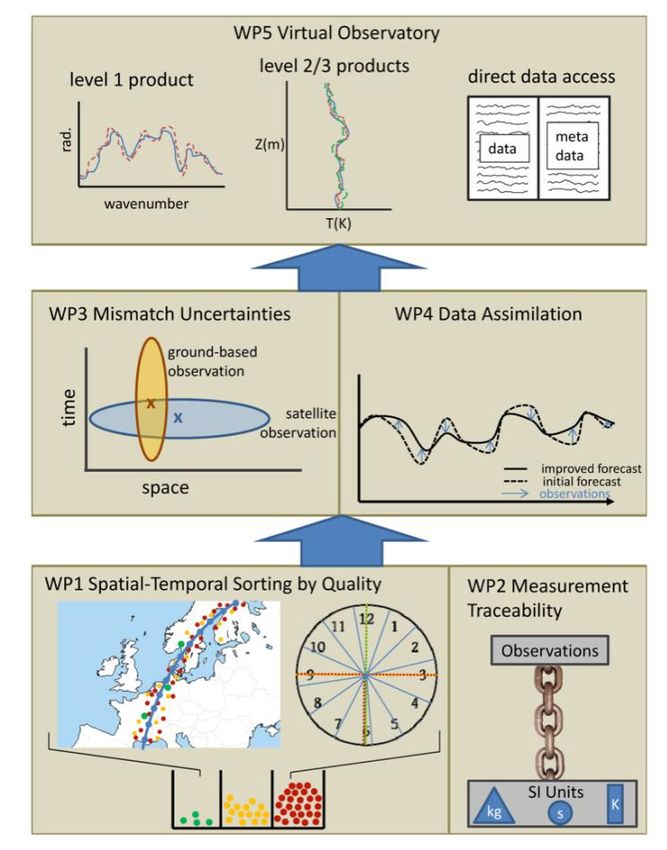
Tecnologie Industriali
                                               Gap Analysis for Integrated
                                 GAIA-CLIM     Atmospheric ECV CLImate Partner                  Concluso
                                               Monitoring

                                               Copernicus Relays for
                                                                           Terza parte – TeRN
                                 CORDINET      digitalisation spanning a                        In corso
                                                                           (Partner)
                                               Network

                                             European Natural Airborne
      Sociali
       Sfide

                                             Disaster Information and
                                 EUNADICS-AV                           Partner                  In corso
                                             Coordination System for
                                             Aviation
   partecipazione
   l’eccellenza e

                                               Remote Sensing Science
     ampliare la
     Diffondere

                                 ATHENA                                     Partner             Concluso
                                               Center for Cultural Heritage

                                               East European Centre for
                                 ECARS         Atmospheric Remote          Partner              Concluso
                                               Sensing

Nell’area “Infrastrutture di Ricerca” del primo pilastro “Eccellenza Scientifica”, l’IMAA, in
qualità di partner, si è aggiudicato recentemente la partecipazione al progetto ENVRI-FAIR,
che è la connessione del Cluster ESFRI di Infrastrutture di Ricerca Ambientali (ENVRI) al
Cloud Europeo “Open Science Cloud (EOSC). E’ al quarto anno di attività il progetto
ACTRIS-2 "Aerosols, Clouds, and Trace gases Research Infrastructure", coordinato dalla
Dr.ssa Gelsomina Pappalardo, Dirigente di Ricerca del CNR-IMAA, che coinvolge 31 partner
appartenenti ad università e centri di ricerca di 21 Paesi europei ed integra le più rilevanti
Infrastrutture di Ricerca (IR) europee per lo studio di aerosol e nubi. Nel 2016 ACTRIS è stata
inserita nell'elenco delle IR di interesse per la Roadmap ESFRI “European Strategy Forum
on Research Infrastructures”. A seguito dell’inserimento nella roadmap, la compagine
europea di ACTRIS ha presentato la proposta ACTRIS PPP “Aerosols, Clouds and Trace
gases Preparatory Phase Project” per il Preparatory Phase Project aggiudicatasi con
successo nel bando Horizon2020 – Infradev2016 - 2. Il Preparatory Phase Project, iniziato
nel 2017 è dedicato a sostenere ACTRIS nella definizione degli aspetti più propriamente
tecnico/organizzativi, supportare il raggiungimento della maturità legale e finanziaria richiesta
per la sua implementazione. Ad ACTRIS PPP partecipa il CNR in qualità di beneficiario ed
in rappresentanza di tutti gli enti/Università italiane coinvolte. Sempre nell’area “Infrastrutture
di Ricerca”, l’IMAA partecipa in qualità di partner al progetto ENVRIPLUS “Environmental
Research Infrastructures providing shared solutions for science and society”, che riunisce le

                                                                                                           4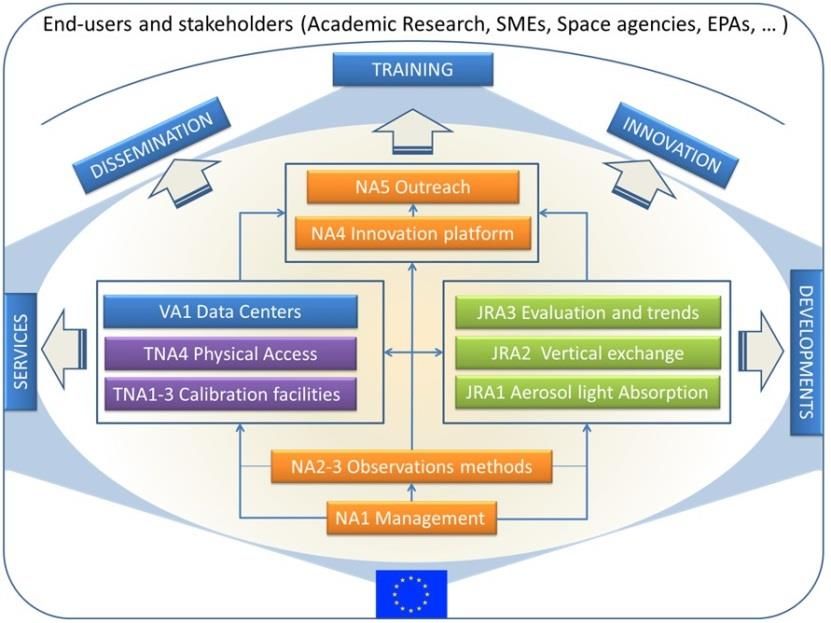
principali infrastrutture di ricerca ambientali e finalizzate allo studio del sistema Terra in
Europa.
Nel secondo pilastro, “Tecnologie Industriali”, l’IMAA a fine 2018, si è aggiudicato in qualità
di terza parte del Consorzio TeRN, il progetto CoRdiNet, che mira a sostenere e promuovere
l’uso dei dati/servizi di Osservazione della Terra (OT) del programma Copernicus. l’IMAA ha
concluso in qualità di partner il progetto GAIA-CLIM “Gap Analysis for Integrated
Atmospheric ECV CLImate Monitoring”, finanziato sotto la priorità Tecnologie per lo Spazio.
Il progetto si propone di identificare e documentare le criticità attualmente esistenti nel
sistema globale di osservazione e monitoraggio del clima attraverso una mappatura delle
varie reti e stazioni di osservazione esistenti, che già operano - in modo più o meno
coordinato - per l'osservazione a scala globale delle variabili climatiche legate all'atmosfera,
al suolo e agli oceani. Nel terzo pilastro di Horizon 2020, nella Sfida Sociale “Trasporti
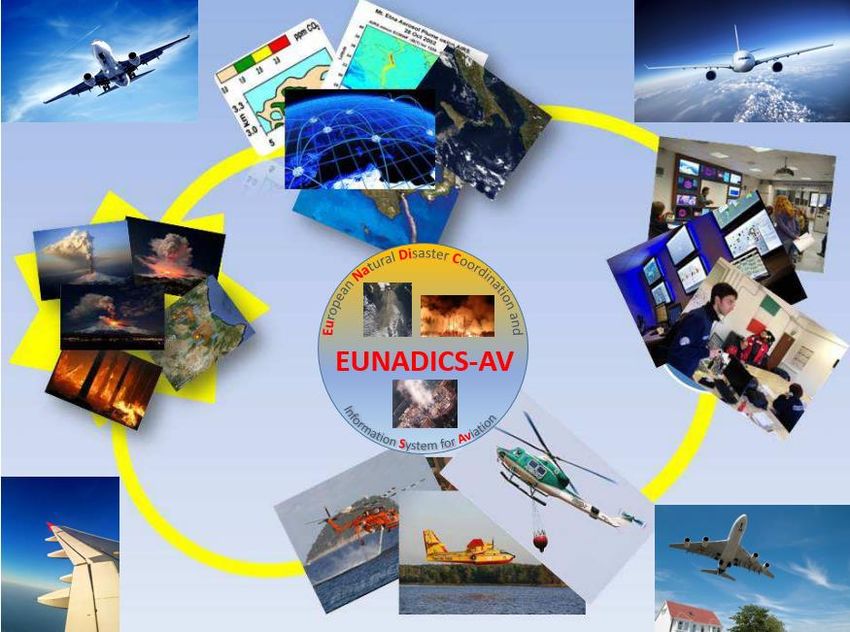
intelligenti, verdi e integrati”, ricade il progetto EUNADICS-AV “European Natural Airborne
Disaster Information and Coordination System for Aviation”, focalizzato sul rischio legato ai
voli aerei in caso di eruzioni vulcaniche, incidenti nucleari e altri eventi estremi dove gli
aerosol e gas in traccia sono immessi in atmosfera, compromettendo la sicurezza del
trasporto aereo. Nel pilastro indipendente “Diffondere l’eccellenza e ampliare la
partecipazione”, l’IMAA partecipa in qualità di partner con due progetti finanziati nel campo
delle attività di “Twinning”. Questo tipo di azioni sono finalizzate a sostenere lo scambio di
conoscenze e di esperienze a favore di un ente di ricerca emergente, attraverso misure di
coordinamento e supporto quali, scambio di personale, visite di esperti, corsi di formazione,
workshop, partecipazione a conferenze, organizzazione di attività congiunte di tipo summer
school, attività di disseminazione. I progetti finanziati in ambito “Twinning” sono ATHENA e
ECARS. ATHENA “Remote Sensing Science Center for Cultural Heritage” conclusosi nel
2018, è stato finalizzato alla realizzazione di un centro di eccellenza nel campo delle
tecnologie di remote sensing per la conservazione dei beni culturali in aree archeologiche.
ECARS “East European Centre for Atmospheric Remote Sensing” è focalizzato sulle
tecniche di remote sensing per lo studio dell’atmosfera e del clima.

                 Programma COSME

Ambito           Acronimo       Titolo del progetto        Ruolo dell’IMAA        Stato

                                Space Clusters
                 SPACE2ID       International Industrial   Partner                concluso
 Cluster Go                     Diversification
 International                  Space Clusters
                 SPACE2IDGO     International Industrial   Partner                In corso
                                Diversification GO

                                                                                              5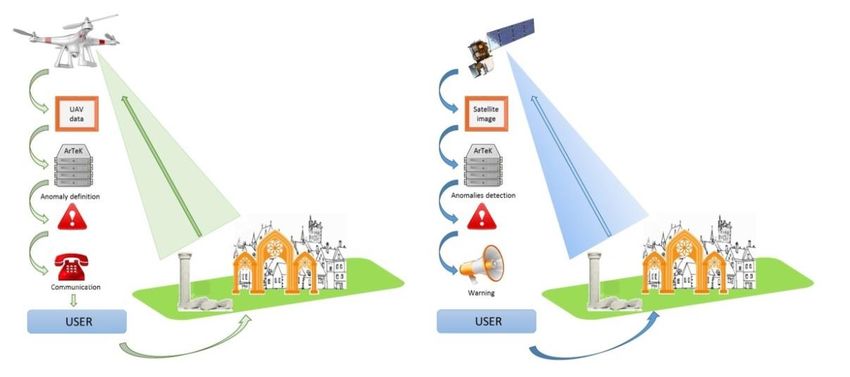
Infine, nel contesto del programma COSME “Programma per la competitività delle imprese
e delle Piccole e Medie Imprese”, l’Istituto attraverso la partecipazione al Consorzio TeRN
ha preso parte al progetto SPACE2ID “Space Clusters International Industrial
Diversification”, finalizzato a rafforzare la partnership dei Cluster Tecnologici su alcuni temi
di interesse strategico in Europa, quali la mobilità, la logistica, l’industria creativa e
l’agricoltura. In tale contesto, l’IMAA partecipa al progetto SPACE2IDGO finalizzato alla
promozione e alla diffusione delle tecnologie spaziali.

L’IMAA inoltre si è aperto anche ad altri programmi ed iniziative europee, aggiudicandosi
contratti con l’Agenzia Spaziale Europea (ESA). In particolare, attualmente l’IMAA ha tre
contratti attivi con l’ESA per l’offerta di servizi e prodotti nel campo delle osservazioni della
Terra: 1) ARTEK “Satellite enabled Services for Preservation and Valorisation of Cultural
Heritage”; 2) ITT-ESA “Hyperspectral Imaging Mission Concepts”; 3) FLEX-EU “Technical
Assistance for the Deployment of an advanced hyperspectral imaging sensor during FLEX-
EU”.

Le attività di ricerca dell’IMAA negli ultimi anni sono state valorizzate dal successo
nell’aggiudicazione di bandi nell’ambito dei Servizi Climatici. È stato recentemente firmato il
contratto per la seconda fase del progetto iniziato nel 2017 e finanziato dall’agenzia europea
ECMWF nell’ambito della Call C3S_311a del programma Copernicus, di cui l’IMAA ha il
coordinamento di un intero Lotto. Tale contratto è finalizzato ad armonizzare e fornire prodotti
di livello avanzato per alcune variabili climatiche essenziali (temperatura, vapor d’acqua,
ozono gas in traccia). I prodotti sviluppati rientrano nel Copernicus Climate Data Service
(C3S). Inoltre, in collaborazione con il consorzio TeRN l’istituto contribuisce alle attività del
programma NEREUS “Network of European Regions Using Space Technologies”, la rete
delle regioni Europee per la promozione e la diffusione delle tecnologie spaziali ed ha fornito
supporto alle Nazioni Unite partecipando ad attività umanitarie in Palestina per la gestione
di dati geospaziali. Nell’ambito di NEREUS, l’IMAA ricopre il ruolo di partner di due contratti
Copernicus, indirizzati a promuovere e a favorire l’uso dei dati e informazioni Copernicus
negli attuali processi decisionali degli utilizzatori.

Nell’ambito dell’Area Europea della Ricerca per i Servizi Climatici (ERA4CS), l’IMAA
prosegue l’attività di coordinamento di due progetti per il CNR: SERV_FORFIRE “Integrated
services and approaches for Assessing effects of climate change and extreme events for fire
and post fire risk prevention”, iniziato a settembre 2017 e finalizzato alla costruzione di un
network europeo sullo studio e sulle misure da adottare nell’ambito del rischio da incendio;
DustClim “Dust Storms Assessment for the development of user‐oriented Climate Services
in Northern Africa, Middle East and Europe”, mirato a produrre e sviluppare la rianalisi di
modelli regionali delle polveri attraverso elaborazioni dei dati degli aerosol da satellite.

                                                                                               6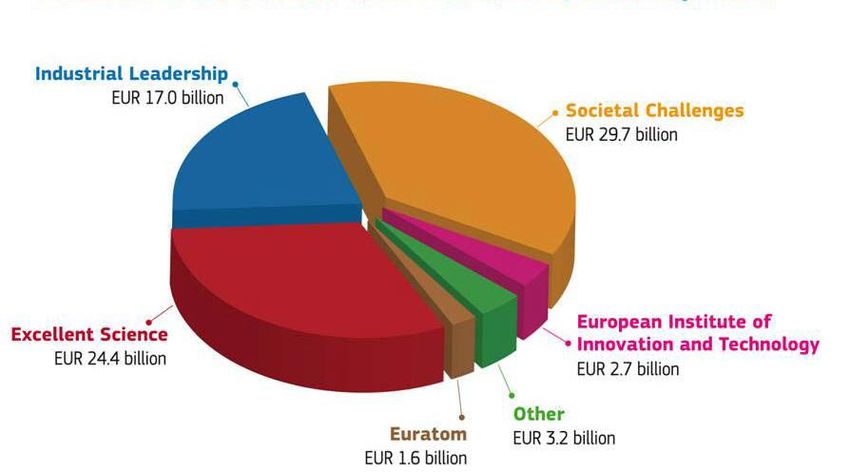
Nella seguente tabella, sono riportati i contratti ESA, Copernicus ed ERA4CS che vedono il
coinvolgimento dell’IMAA.

Contratti ESA

Bando                        Titolo del progetto            Ruolo dell’IMAA   Stato

                             ARTEK “Satellite enabled
                             Services for Preservation
ARTES 20IAP programme                                       Partner           In corso
                             and Valorisation of Cultural
                             Heritage”

ITT ESRIN/AO/1-8579/16/I-    Hyperspectral Imaging
                                                            Partner           In corso
Sbo                          Mission Concepts

                            Technical Assistance for the
                            Deployment of an advanced
4000107143/12/NL/FF/If CCN2                              Partner              In corso
                            hyperspectral imaging
                            sensor during FLEX-EU

Programma COPERNICUS Climate Change Service (C3S)

                             C3S-Baseline And
Call C3S_311a                Reference Observation          Coordinatore      concluso
                             Networks -SC1

                             C3S-Baseline And
Call C3S_311a                Reference Observation          Coordinatore      In corso
                             Networks -SC2

Programma COPERNICUS User Uptake Framework
                             LOT 1: Support to
                             Copernicus user uptake
                                                          Partner             In corso
                             promotion, communication
                             and dissemination activities
Contract No 385/PP/2014/FC
                             LOT 2: Support to the use
                             and user uptake of
                                                          Partner             In corso
                             Copernicus data and
                             information

Programma ERA4CS

                             Integrated services and
                             approaches for Assessing
SERV_FORFIRE                 effects of climate change and Coordinatore       In corso
                             extreme events for fire and
                             post fire risk prevention
                             Dust Storms Assessment for
                             the development of user‐
DUSTCLIM                     oriented Climate Services in Partner             In corso
                             Northern Africa, Middle East
                             and Europe

                                                                                         7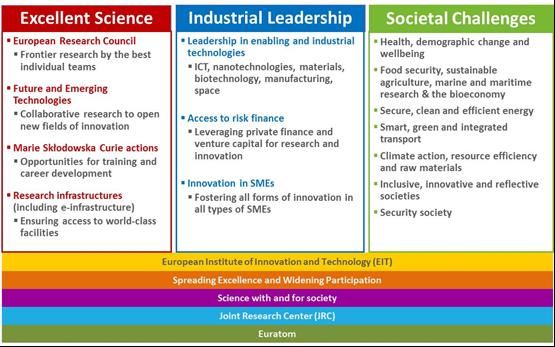
Oltre a tali bandi e programmi di ricerca, innovazione e sviluppo a livello europeo, l’IMAA si
è aperto ad altre iniziative di cooperazione transnazionali, quali l’Interreg MED. L’ingresso
nel programma per eccellenza di cooperazione transnazionale nel Mediterraneo è
testimoniato dal progetto PrioritEE che vede l’IMAA ricoprire il ruolo di coordinatore di
istituzioni scientifiche ed enti locali ed agenzie provenienti da 5 paesi dell’area MED (Italia,
Portogallo, Spagna, Grecia e Croazia). Il progetto, che volge alla sua conclusione a luglio
2019, mira a rafforzare le capacità delle pubbliche amministrazioni nella selezione ed
implementazione di misure di miglioramento dell’efficienza energetica (EE) negli edifici
pubblici.

L’IMAA ha partecipato al JP EERA Smart Cities il cui obiettivo è lo sviluppo di metodi per la
progettazione, pianificazione e il funzionamento intelligente dei sistemi energetici delle città
del futuro. Nel 2018, è continuata la partecipazione ai gruppi tematici di lavoro in URBAN
EUROPE, su “Urban Environmental Sustainability and Resilience” e “Urban Governance and
Participation” in European Energy Research Alliance (EERA - JPI Urban Europe) Smart
Cities.

L’IMAA partecipa alle azioni COST, quali l’azione“In Dust” per costituzione di un network
internazionale per promuovere l‘uso delle osservazioni e dei modelli previsionali (COST
CA16202) delle polveri desertiche, ed all’azione ENGAGER, focalizzata sul tema della
“Povertà energetica europea: co-creazione di agenda e innovazione della conoscenza”.
L’IMAA ha contribuito ad EUFAR (European Facilities for Airborne Research) con il sistema
TASI-Partenavia. e ad altre azioni COST conclusisi nel 2017 (es. TOPROF, COST Action
TU1204).

Particolare rilevanza va data anche alle attività di cooperazione internazionale che l’IMAA ha
intrapreso da anni con istituzioni scientifiche di paesi europei ed extraeuropei sia per favorire
mobilità del personale che per la realizzazione di laboratori congiunti. Tali attività vengono
svolte grazie agli accordi di cooperazione bilaterale promossi dal CNR al fine di sostenere lo
scambio di conoscenze e di esperienze fra unità di ricerca CNR e di altri organismi di ricerca.
I ricercatori IMAA sono impegnati in progetti finanziati nell’ambito di accordi di
cooperazione bilaterale con Messico, Malta, Egitto, AZERBAIJAN, Taiwan, Libano, Cina e
Paraguay.

Il breve resoconto illustrato sulle attività di ricerca e di cooperazione a livello europeo ed
internazionale conferma la capacità dell’IMAA di competere a livello europeo e dimostra la
maturità della ricerca nell’accedere a diverse tipologie di iniziative e finanziamento. I progetti
e le iniziative in ambito europeo contribuiscono ad un costante trend di crescita, sia in termini
di risorse umane che di Infrastrutture di Ricerca. Il CNR-IMAA è un istituto che afferisce al
Dipartimento di Scienze per il Sistema Terra e tecnologie per l’Ambiente del CNR (DTA-
                                                                                                8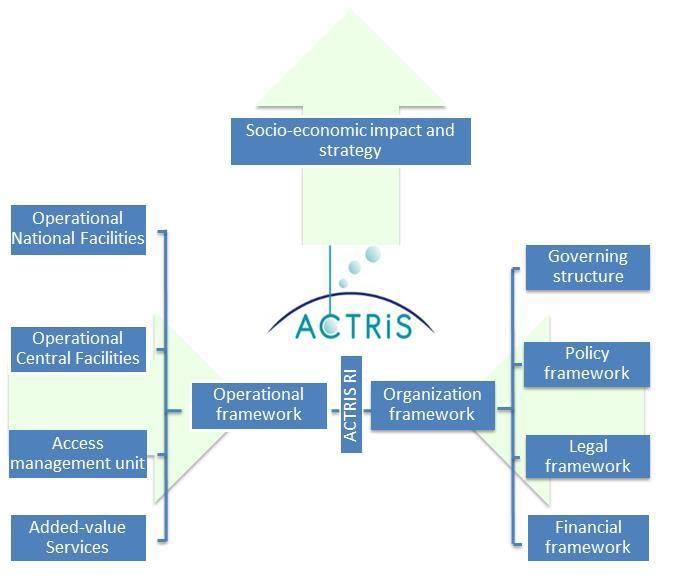
CNR), ha una unica sede localizzata in Regione Basilicata con uno staff costituito da 96 unità
di personale strutturato e circa 50 tra assegnisti, borsisti, dottorandi, associati universitari,
collaboratori e stagisti. Attualmente il CNR-IMAA rappresenta la più alta concentrazione a
livello nazionale di ricercatori nel settore delle Osservazioni della Terra (www.imaa.cnr.it).

Da diversi anni l’IMAA ha investito nella formazione e specializzazione di personale dedicato
al supporto e implementazione di progetti di ricerca e sviluppo in ambito nazionale ed
europeo. Si è così costituito un ufficio di Ricerca&Sviluppo all’interno dell’IMAA che oltre a
fornire assistenza ai ricercatori nella predisposizione di proposte progettuali si interfaccia con
l’Ufficio “Relazioni Europee e Internazionali” del CNR per la risoluzione e la condivisione dei
quesiti inerenti alla partecipazione dell’ente ai programmi di ricerca, cooperazione e
trasferimento tecnologico. Nell’ambito di queste attività, sono stati seguiti diversi progetti di
ricerca e sviluppo precompetitivo con il sistema industriale in ambito nazionale ed europeo.

Inoltre, l’IMAA è fortemente coinvolto della gestione dello Sportello regionale di APRE
“Agenzia per la Promozione della Ricerca in Europa”, ospitato presso il Consorzio TeRN,
avendo tre unità di personale dedicato alle attività dello Sportello. Si tratta di attività di
informazione, promozione e supporto per favorire una migliore e più consapevole
partecipazione al programma Horizon 2020.

Il report si compone di sette sezioni dedicate ai singoli programmi ed iniziative, partendo da
Horizon 2020 e COSME, e a seguire l’Agenzia Spaziale Europea, il servizio Copernicus,
l’Area Europea della Ricerca per i Servizi Climatici, l’Interreg Med, le azioni COST e gli
accordi di cooperazione Bilaterali. Ciascuna sezione è riportata mediante un’introduzione
generale seguita dalla descrizione sintetica dei progetti finanziati.

                                                                                                 9
Abstract
The Institute of Methodologies for Environmental Analysis (IMAA) of the National Research
Council (CNR) of Italy is actually involved in several programmes and initiatives at European
and International level, where IMAA researchers have experienced scientific responsibility
as well as played coordination roles.

In the framework of HORIZON 2020, IMAA has already recorded n.9 projects approved and
funded with a European financial contribution to CNR-IMAA which is above 3 Mil. Euro and
has finalized all the FP7 projects. In 2018, a project was approved within the “EU
Researchers’ Night” call and recognized as Associated Event. Even in COSME, the
European programme for the Competitiveness of Enterprises and Small and Medium-sized
Enterprises, IMAA has obtained a funding in 2 projects addressed to create a European
Strategic Cluster Partnership.

IMAA played the role of partners as well as coordinator in international partnership
constituted by academic, research and industrial partner. It is worth noting that IMAA is
coordinating ACTRIS “Aerosols, Clouds, and Trace gases Research Infrastructure Network”,
an infrastructural project financed within Horizon 2020, which includes 21 Countries for 31
partners and integrates the most important European infrastructures for the study of aerosols
and clouds. ACTRIS has been selected to the European Strategy Forum on Research
Infrastructures (ESFRI) roadmap in 2016.

With the European Space Agency (ESA), IMAA has played the role of contractor of three
services for Earth Observation.

IMAA has reinforced its participation in the European Research Area for Climate Services
(ERA4CS), by coordinating two projects, and in the Copernicus Climate Change Service
(C3S), by coordinating a service for the development of products related to the Access to
Observations from Baseline and Reference Networks, which has recently started the second
phase of the contract. IMAA, through the participation in TeRN Consortium, is also involved
in Network of European Regions Using Space Technologies (NEREUS), by participating in
two activities aiming to promote the use and uptake of Copernicus data and information by
users (intermediate and end-users).

In the frame of the Interreg MED programme, IMAA has been playing the role of Lead Partner
of PrioritEE, a modular project aimed at fostering low-carbon strategies and energy efficiency
in specific MED territories.

                                                                                           10
Moreover, IMAA is participating in two COST actions, reinforcing its presence on the strategic
network for the transnational cooperation on key scientific themes, such as Earth System
and Smart Cities.
IMAA has also promoted activities and bilateral projects of international cooperation with
scientific institutions from European countries (e.g. Portugal, Czech Republic) and countries
outside the EU (China, Azerbaijan, Egypt, etc.) to favor the mobility of the personnel and the
realization of joint research laboratories.
These successful data testify the effective ability of IMAA’s researchers to be competitive at
European level and the positive growth trend, both in terms of human resources and
Research Infrastructures. IMAA has the highest concentration of researchers working in
Earth Observation within the network of the Department of Science for Earth System and
Environmental Technologies with a high percentage of young researchers. The IMAA
headquarters is located in the Basilicata region in a single “CNR Research Area”. To-date,
the permanent staff includes 96 people, whereas the non-permanent one includes 50 people.
This result has been obtained by means of a continuous and effective research policy aimed
at improving the attractiveness of top talents and young scientists in Earth Observation and
Environmental Sciences.
IMAA is also strongly involved in the promotion and dissemination of the Framework
Programme initiatives through the involvement in APRE “Agency for the Promotion of the
European Research” (www.apre.it). APRE has different information points distributed in each
region of Italy and the Basilicata one is located at Research Area of CNR, at TeRN
Consortium. The close and strong collaboration between IMAA and TeRN has led to different
positive initiatives and a larger involvement of researchers and entrepreneur in national and
European research projects.
This report consists of six sections devoted to the single programs. The first section is
focused on HORIZON 2020 and COSME, by reporting a general preface on the monitoring
results and followed by a brief description of each project funded. The other five sections are
respectively focused on the Interreg Med programme, European Space Agency project,
Copernicus service, COST actions and finally on the Bilateral Agreements. All sections are
organized in two parts: a general preface followed by the focus on the project/initiative funded
in that specific programme.
11HORIZON 2020
The programme and the monitoring of results
Horizon 2020 is the biggest EU Research and Innovation programme which has the
challenging aim to contribute to reach a smart, sustainable and inclusive growth in Europe
funding the most innovative and competitive ideas and projects. Horizon 2020 is the financial
instrument implementing the Innovation Union, a Europe 2020 flagship initiative aimed at
securing Europe’s global competitiveness. Horizon 2020 aims to cover the full value chain,
from frontier research, to technological development, demonstration, valorization of results
and innovation. Compared to the previous Framework Programme, in Horizon the funding
schemes have been substituted by the so called “actions”.
H2020 is structured in three main pillars: Excellent Science, Industrial Leadership and
Societal Challenges, and integrated with 5 horizontal initiatives, which are Euratom, Joint
Research Center, Science with and for Society, Spreading Excellence and Widening
Participation and finally the European Institute of Innovation and Technology (EIT). The
overall structure is reported in figure 1.
Figure 1: Structure of Horizon 2020
The total budget of Horizon 2020 (including the Euratom nuclear research programme) in
current prices is nearly €80 billion and in constant prices €70.2 billion for 7 years.
The repartition of the budget on each programme is shown in the figure 2.
12Figure 2: Budget for each programme
HORIZON 2020 is going to be concluded with the launch of the final 2018-2020 calls and the
second phase was concluded with the closure of all calls planned in the work-programme
2014-2015 and 2016-2017.
On the basis of the monitoring report on the three years published by the European
Commission in 20171, the number of proposals received in total was 115 235, out of which
13.303 proposals were the overall signed grants; therefore, the overall success rate of
eligible full proposals is around 12.6% in terms of number of eligible proposals in the
reference years. The number of eligible applications per European Member States testifies
how much some European countries are active and how more recent member states are
coping with this new research and innovation programme (Fig.3).
1
“Horizon 2020 in full swing – Three years on – Key facts and figures 2014-2016 PDF icon” - European
Commission, 2017 https://ec.europa.eu/research/evaluations/index.cfm?pg=monitoring
13Figure 3 – Number of Horizon 2020 applications per EU Member State 2014-2016, and share of
overall Horizon 2020 applications (from “Horizon 2020 in full swing – Three years on – Key facts and
figures 2014-2016 PDF icon”)
Italy falls among the first Member States as number of eligible applications anyway the
success rate is still below the average, being of 11.2%, with a maximum value in Societal
Challenges (13% in 2014) and a minimum value in Excellent Science (8% in 2015).
CNR-IMAA in HORIZON 2020: the projects approved and funded
The IMAA inclusion in international programmes furtherly increased in 2018 thanks to the
successful participation in Horizon 2020 calls where IMAA researchers have experienced
scientific responsibility as well as played coordination roles. Up to now, IMAA has recorded
n.9 projects funded in Horizon 2020 (H2020) with a European financial contribution to
CNR-IMAA which is above 3 Mil. Euro. In 2018, a project was approved within the “EU
Researchers’ Night” call and recognized as Associated Event by the European Commission.
There are four projects falling in Excellent Science (INFRA theme), two in Industrial
Leadership (Earth Observation theme), one in Societal Challenge (Smart, green and
integrated transport) and two in Spreading excellence and widening participation (Twinning
theme).
IMAA plays the role of Coordinator of one project out of eight. It is worth noting that the project
coordinated by IMAA is ACTRIS “Aerosols, Clouds, and Trace gases Research Infrastructure
Network”, an infrastructural project financed within the FP7 and Horizon 2020, which includes
21 Countries for 31 partners and integrates the most important European infrastructures for
14the study of aerosols and clouds. ACTRIS has been selected to the European Strategy Forum
on Research Infrastructures (ESFRI) roadmap in 2016.
The list of all funded projects is reported in the table below, where the status of the project
as well as the role of CNR-IMAA are present.
Table 1- List of the projects granted to funding in HORIZON 2020 and in COSME
HORIZON 2020 Programme
Project
Pillar Project Title Role of CNR-IMAA Status
Acronym
Aerosols, Clouds, and Ongoing
ACTRIS-2 Trace Gases Research Coordinator
InfraStructure
Environmental Research Ongoing
Industrial Leadershipi
Infrastructures providing
ENVRIPLUS Partner
shared solutions for science
and society
Ongoing
Aerosols, Clouds and Trace
ACTRIS PPP gases Preparatory Phase Partner
Project
ENVironmental Research Ongoing
Infrastructures building Fair
ENVRI-FAIR services Accessible for Partner
society, Innovation and
Research
Industrial Leadership
Gap Analysis for Integrated
GAIA-CLIM Atmospheric ECV CLImate Partner Closed
Monitoring
Copernicus Relays for
Third Party of TeRN
CORDINET digitalisation spanning a Ongoing
(Partner)
Network
Societal
European Natural Airborne
Challen
Disaster Information and
ge
EUNADICS-AV Partner Ongoing
Coordination System for
Aviation
excellence and
participation
Remote Sensing Science
Spreading
ATHENA Partner Closed
widening
Center for Cultural Heritage
East European Centre for
ECARS Atmospheric Remote Partner Closed
Sensing
15COSME
Besides those projects, two projects were granted to funding under the programme for the
Competitiveness of Enterprises and Small and Medium-sized Enterprises (COSME).
COSME programme is improving access to finance for SMEs through two financial
instruments that have been available since August 2014: the Loan Guarantee Facility and
the Equity Facility for Growth. COSME has a budget of over EUR 1.3 billion to fund these
financial instruments that facilitate access to loans and equity finance for SMEs where market
gaps have been identified.
COSME Programme
Project
Topic Project Title Role of CNR-IMAA Status
Acronym
Space Clusters International
SPACE2ID Partner Closed
Industrial Diversification
Cluster Go
International
Space Clusters International
SPACE2IDGO Partner Ongoing
Industrial Diversification GO
In the following section, a brief description of each project is provided. General information
including the reference call, the type of action, the duration, the actual status of the project,
the project cost, the content and the reference contact of the project are reported. Besides
this general information, data about the participation in each call are reported on the basis of
the “Flash call info” document. This document is available for each call closed for which the
evaluation process has been finalized. It provides details on the number of proposals
evaluated above the threshold and number of proposals submitted for each call.
16List of CNR-IMAA projects
funded under Horizon 2020
17ACTRIS-2
Aerosols, Clouds, and Trace Gases Research InfraStructure
The project ACTRIS-2 was one of the 18 projects funded under the call INFRAIA-2014-2015
“Integrating and Opening Research Infrastructures of European Interest”, where 60 proposals
were submitted and 47 out of these were evaluated with a score above the threshold. The
project is coordinated by IMAA and involves 31 partners belonging to Universities and
Research Centres from all 21 European countries. The project is a successful follow-up of
ACTRIS “Aerosols, Clouds, and Trace gases Research Infrastructure Network” project,
funded under the Seventh Framework Programme, on the call INFRA-2010-1-1.1.16:
Research Infrastructures for Atmospheric Research.
ACTRIS has been selected to the European Strategy Forum on Research Infrastructures
(ESFRI) roadmap in 2016. In the project consortium the CNR Department of Earth System
Science and Environmental Technologies is involved with two institutes: IMAA and ISAC
“Institute of Atmospheric Sciences and Climate”. ACTRIS has been selected to the European
Strategy Forum on Research Infrastructures (ESFRI) roadmap in 2016.
General information
HORIZON 2020
Title Aerosols, Clouds, and Trace Gases Research InfraStructure
Project Acronym ACTRIS-2
INFRAIA-2014-2015 “Integrating and Opening Research
Reference call
Infrastructures of European Interest
Type of action Research and Innovation Action (RIA)
Duration 48 months
Starting date 1st May 2015
Status Ongoing
Project cost 10.126.484,54 Euro
IMAA’s budget 911.846,00 Euro
Role of CNR-IMAA Coordinator
Responsible for Gelsomina Pappalardo
CNR-IMAA
Website http://actris2.nilu.no/Projects/ACTRIS2IAinH2020(20152019).aspx
CONTENT
ACTRIS-2 is the pan-European initiative for coordinating long-term observations of aerosols,
clouds, and short lived gases from the ground.
The objective of ACTRIS-2 is to consolidate the construction of a unique user-oriented
Research Infrastructure initiated more than 15 years ago for providing 4-D integrated high-
quality data from near-surface to high altitude (vertical profiles and total-column), relevant to
climate and air-quality research. ACTRIS-2 is a European contribution to the Global
Atmosphere Watch program of the World Meteorological Organisation (WMO-GAW) and the
research component of the European Monitoring and Evaluation Programme (EMEP). It
18supports European activities of the Aerosol Robotic NETwork (AERONET). ACTRIS-2
activities also support the strategic priorities of the intergovernmental Group on Earth
Observations (GEO) and develop synergies with national initiatives.
The distributed observation platforms of ACTRIS-2 are located both in Europe and outside
and will improve systematic and timely collection, processing and distribution of data and
results for use in 19odelling, in particular towards implementation of atmospheric and climate
services.
ACTRIS-2 pursues the following targets:
- Maintaining and increasing the availability of long-term observational data relevant to
climate and air-quality research on the regional scale
- Continuing to develop and disseminate integration tools to fully exploit the use of
multiple atmospheric techniques at ground-based stations, for the
calibration/validation/integration of satellite sensors and for the improvement of the
parameterizations used in global and regional-scale climate and air-quality models
- Opening calibration facilities and advanced observing platforms to Trans-National
Access for the benefit of a large user community including SMEs, and further
facilitating virtual access to high-quality information, products and services enhancing
the ACTRIS Data Centre
- Maintaining and enhancing the capacity of training in the field of atmospheric
observations particularly directed to young scientists and researchers from non-EU
developing countries
- Promoting innovation potential and technological standardization with European
SMEs for transfer of observation technologies and methods
- Developing a sustainable strategy for maintaining ACTRIS-services in the long term.
19ENVRIPLUS
Environmental Research Infrastructures providing shared
solutions for science and society
The project ENVRIPLUS was one out of 12 proposals submitted to the call INFRADEV4-
2014-2015 and among the 8 projects funded under the call INFRADEV4-2014-2015
“Implementation and operation of cross-cutting services and solutions for clusters of ESFRI
and other relevant research infrastructure initiatives” in “Research Infrastructures – INFRA”
programme. CNR-IMAA is participating in ENVRIPLUS as partner together with the Institute
of Atmospheric Sciences and Climate (CNR-ISAC), the Institute of Biometeorology (IBIMET-
CNR) and the Institute of Information Science and Technologies “A. Faedo” (CNR-ISTI).
General information
HORIZON 2020
Title Environmental Research Infrastructures providing shared
solutions for science and society
Project Acronym ENVRIPLUS
INFRADEV4-2014-2015 Implementation and operation of
Reference call cross-cutting services and solutions for clusters of ESFRI
and other relevant research infrastructure initiatives
Type of action Research and Innovation Action (RIA)
Duration 48 months
Starting date 1st May 2015
Status Ongoing
Project cost 14.998.034,25 Euro
EU contribution 14.683.534,25 Euro
IMAA’s budget 332.750,42 Euro
Role of CNR-IMAA Partner
Responsible for CNR- Gelsomina Pappalardo
IMAA
Website http://www.envriplus.eu/
CONTENT
ENVRIPLUS is a cluster of research infrastructures (Ris) for Environmental and Earth
System sciences, built around ESFRI roadmap and associating leading e-infrastructures and
Integrating Activities together with technical specialist partners. ENVRIPLUS is driven by 3
overarching goals:
201) favoring cross-
fertilization between
infrastructures, 2)
implementing innovative
concepts and devices
across Ris, and 3)
facilitating research and
innovation in the field of
environment to an
increasing number of
users outside the Ris.
ENVRIPLUS organizes its
activities along a main
strategic plan where
sharing multi-disciplinary
expertise will be most
effective. It aims to
improve Earth observation
monitoring systems and
strategies, including
actions towards
harmonization and
innovation, to generate common solutions to many shared information technology and data
related challenges, to harmonize policies for access and provide strategies for knowledge
transfer amongst Ris.
ENVRIPLUS develops guidelines to enhance trans-disciplinary use of data and data-
products supported by applied use-cases involving Ris from different domains. ENVRIPLUS
coordinates actions to improve communication and cooperation, addressing Environmental
Ris at all levels, from management to end-users, implementing RI-staff exchange programs,
generating material for RI personnel, and proposing common strategic developments and
actions for enhancing services to users and evaluating the socio-economic impacts.
ENVRIPLUS is expected to facilitate structuration and improve quality of services offered
both within single Ris and at pan-RI level. It promotes efficient and multi-disciplinary research
offering new opportunities to users, new tools to RI managers and new communication
strategies for environmental RI communities. The produced solutions, services and other
project results are made available to all environmental RI initiatives, thus contributing to the
development of a consistent European RI ecosystem.
21ACTRIS PPP
Aerosols, Clouds and Trace gases Preparatory Phase Project
General information
HORIZON 2020
Title Aerosols, Clouds and Trace gases Preparatory Phase Project
Project ACTRIS PPP
Acronym
INFRADEV-02-2016 Preparatory Phase and support to early phase
Reference call
of ESFRI projects
Type of action Coordination and support action (CSA)
Duration 36 months
Starting date 1st January 2017
Status Ongoing
Project cost 399.9996,25 Euro
CNR’s budget 505.625, 00 Euro
Role of CNR Partner
Responsible for Gelsomina Pappalardo
CNR-IMAA
Website http://actris2.nilu.no/Projects/ACTRISPPP/PPPProjectSummary.aspx
CONTENT
The Research Infrastructure (RI) ACTRIS – Aerosols, Clouds and Trace Gases – is the pan-
European RI that consolidates activities amongst European partners for observations of
aerosols, clouds, and trace gases and for understanding of the related atmospheric
processes, to provide RI services to wide user groups. ACTRIS is composed of 8 connected
elements: distributed National Facilities (observation platforms and exploratory platforms)
both in Europe and globally, and 7 Central Facilities (Head Office, Data Centre and 5
Calibration Centres).
ACTRIS provides access to its facilities, open-access data, research support, instrument
calibration and development, and training to various user groups. By providing data and
access ACTRIS enhances science, but it also generates and disseminates knowledge,
boosts technological development, and creates human capital and jobs for the benefit of the
society.
ACTRIS will positively impact on e.g. human health, climate resilience, and protection from
environmental hazards and reduction of air pollution. ACTRIS has been selected to the
ESFRI roadmap in 2016 as mature enough to be implemented within the next ten years.
ACTRIS Preparatory Phase Project (PPP) will have a significant role in enabling the transition
from a projectbased network of research facilities to a centrally coordinated integrated pan-
European RI.
ACTRIS PPP brings together a wide community of research performing organizations,
research funding organizations and ministries needed to take the decisions and actions to
move forward in the implementation of the ACTRIS. The main objectives of ACTRIS PPP
are to develop the organizational, operational and strategic frameworks of the RI. The work
includes legal, governance, financial, technical, strategic, and administrative aspects carried
22out in 9 work packages. The main outcomes of PPP are signature-ready documents for
establishment of a legal entity with well-defined operations and a sound business plan.
CNR-IMAA is involved together with the Institute of Atmospheric Sciences and Climate
(CNR-ISAC) through the participation of the Department of Earth systems science and
environmental technologies (DTA-CNR) in ACTRIS PPP.
The planned ACTRIS research infrastructure implementation activities
23ENVRI-FAIR
ENVironmental Research Infrastructures building Fair services
Accessible for society, Innovation and Research
General information
HORIZON 2020
Title ENVironmental Research Infrastructures building Fair
services Accessible for society, Innovation and Research
Project Acronym ENVRI-FAIR
Reference call H2020-INFRAEOSC-2018-2
Type of action Research and Innovation Action (RIA)
Duration 36 months
Starting date 1st January 2019
Status Ongoing
Project cost 18.997.878,75 Euro
IMAA’s budget 593.437,50 Euro
Role of IMAA Partner
Responsible for IMAA Gelsomina Pappalardo
Website http://www.envriplus.eu/2019/01/09/envri-fair-a-new-
cluster-project-of-environmental-ris-has-been-launched/
CONTENT
ENVRI-FAIR is the connection of the ESFRI Cluster of Environmental Research
Infrastructures (ENVRI) to the European Open Science Cloud (EOSC). Participating
research infrastructures (RI) of the environmental domain cover the subdomains
Atmosphere, Marine, Solid Earth and Biodiversity / Ecosystems and thus the Earth system
in its full complexity. The overarching goal is that at the end of the proposed project, all
participating RIs have built a set of FAIR data services which enhances the efficiency and
productivity of researchers, supports innovation, enables data- and knowledge-based
decisions and connects the ENVRI Cluster to the EOSC. This goal is reached by: (1) well
defined community policies and standards on all steps of the data life cycle, aligned with the
wider European policies, as well as with international developments; (2) each participating
RI will have sustainable, transparent and auditable data services, for each step of data life
cycle, compliant to the FAIR principles. (3) the focus of the proposed work is put on the
implementation of prototypes for testing pre-production services at each RI; the catalogue of
prepared services is defined for each RI independently, depending on the maturity of the
involved RIs; (4) the complete set of thematic data services and tools provided by the ENVRI
cluster is exposed under the EOSC catalogue of services.
24GAIA-CLIM
Gap Analysis for Integrated Atmospheric ECV CLImate Monitoring
First successful results about the participation of CNR-IMAA in Horizon 2020 have been
recorded at the beginning of 2015 with the submission and the approval of GAIA-CLIM
project under the call ““Earth Observation-2014”. It was submitted under the call EO-3-2014
“Observation capacity mapping in the context of Atmospheric and Climate change
monitoring” under “Earth Observation-2014” where n.3 proposals out of n.3 proposals
submitted have received an evaluation score above the applicable threshold.
General information
HORIZON 2020
Title Gap Analysis for Integrated Atmospheric ECV CLImate
Monitoring
Project Acronym GAIA-CLIM
EO-3-2014 ‘Observation capacity mapping in the context
Reference call
of Atmospheric and Climate change monitoring’
Type of action Research and Innovation Action (RIA)
Duration 36 months
Starting date 1st March 2015
Status Closed
Project cost 5.999.726,25 Euro
IMAA’s budget 426.250,00 Euro
Role of CNR-IMAA Partner
Responsible for CNR- Fabio Madonna
IMAA
Website http://www.gaia-clim.eu/
CONTENT
The GAIA-CLIM (Gap Analysis for Integrated Atmospheric ECV CLImate Monitoring) project
has been funded in the frame of the call EO-3-2014 ‘Observation capacity mapping in the
context of Atmospheric and Climate change monitoring’ of EU framework program for
Research and innovation Horizon 2020. The project sees 21 partners involved, including
European institutions, met service and US partners, such as ECMWF, MetOffice, NOAA,
under the coordination of NERSC (Nansen Environmental and Remote Sensing Center).
25The project will develop appropriate
methods to map reference
quality comparators onto EO
measurements. It will document gaps in
the current observing system and all
aspects of measurement uncertainty
mapping, and propose strategies to
address these including
recommendations regarding future
funding of surface and sub-orbital
observing capabilities to meet long term
EO comparator needs. Finally, it will
develop tools to aid end users through a
‘virtual observatory’. The project will
significantly increase the quality and use
of ground based data for validation of
satellite sensors and climatological
models, with relapses of considerable
interest for several sectors (climate,
ocean monitoring and extreme
events, land conservation, ...) and end
users (meteorological services, civil
protection, space agencies,
environmental agencies, ...).
26CORDINET
Copernicus Relays for digitalisation spanning a Network
General information
HORIZON 2020
Title Copernicus Relays for digitalisation spanning a Network
Project Acronym CORDINET
Reference call H2020-SPACE-2018
Type of action Research and Innovation Action (RIA)
Duration 24 months
Starting date 1st October 2018
Status ongoing
Project cost 999.663,75 Euro
IMAA’s budget 89.297,50 Euro
Role of IMAA Third Party of Tern Consortium (Partner)
Responsible for IMAA Nicola Pergola
Website t.b.d.
CONTENT
CoRdiNet is an open network of five very diverse Copernicus Relays with a coordinating
function on local, regional, cluster and national level, supporting, promoting and stimulating
digitalisation and new business solutions based on Earth Observation (EO) i.e. Copernicus
data. This coordination & support action bundles the local expertise in the civil use of EO,
close to the needs and offers of citizens, administrations and businesses, and will share them
with other Copernicus Relays, Academies and new EO players. Three Relays have a
regional focus (Basilicata, Bavaria, East Midlands), one a national focus (Norway), while the
fifth contributes the expertise of a space application company, GMV. NEREUS, the Network
of European Regions using Space Technologies, comprises 26 regions and is active in
exploiting the benefits of space technologies while supporting European regional space
policies. As sixth partner it will be entrusted, supported by a yet to be set-up, evaluation
board, to hold and decide on the distribution of a specific “fund” of 100 k EUR supporting
more than 20 joint activities between the consortium and external partners with concrete
proposals to collaborate. Coordination of CoRdiNet with both, the Copernicus FPA and the
Copernicus Support Office, will be paid attention to. To offer tangible opportunities to
collaborate with, the consortium will gather local expertise in sector oriented European-wide
working groups to design better strategies and guidelines for new digital services, support
the creation of pilot projects linking users & suppliers of services, organise awareness raising,
bi-lateral events, while providing user-targeted information and find out about as well as
bundle local key players and local societal challenges and needs, EO data are able to match.
Joint outreach and dissemination activities ensure embedding of its work in national and
EU/ESA activities. CoRdiNet enjoys support of EARSC, the FPA, the CSO, and 6 external
regions.
27EUNADICS-AV
European Natural Airborne Disaster Information and Coordination
System for Aviation
General information
HORIZON 2020
Title European Natural Airborne Disaster Information and
Coordination System for Aviation
Project Acronym EUNADICS-AV
Reference call H2020-MG-2016-SingleStage-INEA
Type of action Research and Innovation action (RIA)
Duration 36 months
Starting date 1st October 2016
Status Ongoing
Project cost 7.509.318,75
IMAA’s budget 556.250,00
Role of CNR-IMAA Partner
Responsible for CNR- Gelsomina Pappalardo
IMAA
CONTENT
Aviation is one of the most critical infrastructures of the 21st century. Even comparably short
interruptions can cause economic damage summing up to the Billion-Euro range. As evident
from the past, aviation shows certain vulnerability with regard to natural hazards.
The project EUNADICS-AV addresses airborne hazards (environmental emergency
scenarios), including volcano eruptions, nuclear accidents and emergencies and other
scenarios where aerosols and certain trace gases are injected into the atmosphere. Such
events are considered rare, but may have an extremely high impact, as demonstrated during
the European Volcanic Ash Crisis in 2010. Before the 1990s, insufficient monitoring as well
as limited data analysis capabilities made it difficult to react to and to prepare for certain rare,
high-impact events. Meanwhile, there are many data available during crisis situations, and
the data analysis technology has improved significantly. However, there is still a significant
gap in the Europewide availability of real time hazard measurement and monitoring
information for airborne hazards describing “what, where, how much” in 3 dimensions,
combined with a near-real-time European data analysis and assimilation system.
28The main objective of EUNADICS-AV is to close this gap in data and information availability,
enabling all stakeholders in the aviation system to obtain fast, coherent and consistent
information. This would allow a seamless response on a European scale, including ATM,
ATC, airline flight dispatching and individual flight planning. In the SESAR 2020 Programme
Execution Framework, EUNADICS-AV is a SESAR Enabling project (project delivering
SESAR Technological Solutions).
The project aims at passing a SESAR maturity level V2, which includes respective service
validation activities, including validation exercises. Work will be also done to prepare a full
V3 validation.
29ATHENA
Remote Sensing Science Center for Cultural Heritage
ATHENA was funded under the call for Twinning 2015 where 321 out of 552 proposals have
been evaluated above the threshold. The project ATHENA started in December 2015 within
the programme Spreading excellence and widening participation. CNR-IMAA participated in
the project together with the Institute of Archaeological and Architectural Heritage of the
National Research Council of Italy (CNR-IBAM)
General information
HORIZON 2020
Title Remote Sensing Science Center for Cultural Heritage
Project Acronym ATHENA
Reference call CALL FOR TWINNING – H2020-TWINN-2015
Type of action Coordination and Support Action (CSA)
Duration 36 months
Starting date 1st December 2015
Status Closed
Project cost 972.841,25 Euro
CNR’s budget 176.250,00 Euro
IMAA’s budget 88.125,00 Euro
Role of CNR-IMAA Partner
Responsible for CNR- Rosa Lasaponara
IMAA
CONTENT
The “ATHENA” proposal aims to establish a Center of Excellence in the field of Remote
Sensing for Cultural Heritage in the areas of Archaeology and Cultural Heritage through the
development of an enhanced knowledge base and innovative methods. This center will be
established by twinning the existing Remote Sensing and Geo-environment Research
Laboratory at the Cyprus University of Technology (CUT) with internationally-leading
counterparts from other Member States of the EU, such as the Institute of Methodologies for
Environmental Analysis (CNR-IMAA) and the Institute of Archaeological and Architectural
Heritage (CNR-IBAM) of the National Research Council of Italy, and the German Aerospace
Centre (DLR).
The goals of the Center will be aligned with the Smart Specialization Strategy of Cyprus. The
close collaboration between CUT and other experts in the field of Remote Sensing for
Cultural Heritage in the EU will form a synergic network that will permit the transfer of
knowledge and training of the existing personnel of CUT. As a result, the ATHENA project
will have both direct and indirect social, scientific, and economic outcomes. In addition, the
implementation of the project will facilitate future collaborations with experts of the
Archaeology and Cultural Heritage sector in an EU level, increase the Centers’ research
capabilities, as well as enhance the research and academic profile of all participants. It is
noteworthy to underline the importance of the geographical position of the Center in the
region of eastern Mediterranean, a region inhabited thousands of years before and therefore
abound in archaeological residues.
30ECARS
East European Centre for Atmospheric Remote Sensing
ECARS falls among the projects funded under the call for Twinning 2015 where 321 out of
552 proposals have been evaluated above the threshold. The project has just started within
the programme Spreading excellence and widening participation.
General information
HORIZON 2020
Title East European Centre for Atmospheric Remote Sensing
Project Acronym ECARS
Reference call CALL FOR TWINNING – H2020-TWINN-2015
Type of action Coordination and Support Action (CSA)
Duration 36 months
Starting date 1st January 2016
Status Closed
Project cost 1.000.000 Euro
IMAA’s budget 160.000 Euro
Role of CNR-IMAA Partner
Responsible for CNR- Gelsomina Pappalardo
IMAA
Website http://ecars.inoe.ro/index.php/project/
CONTENT
ECARS addresses the challenges of the Twinning programme by tackling deficiencies and
networking gaps between INOE, a very dynamic research institution in Romania, and
internationally-leading counterparts at EU level. The activity will strengthen the excellence of
INOE Center for atmospheric remote sensing and will stimulate high-level environmental and
climate research, conform to Romanian Smart Specialization Strategy. This will be achieved
by consolidating INOE’s links with four highly esteemed research institutions, each one
having high-level expertise in specific areas: MPI-M (ground-based remote sensing), DLR
(airborne remote sensing), NOA (satellite remote sensing) and CNR-IMAA (data
exploitation).
The coordination and support actions address specific areas of atmospheric remote sensing
where the expertise of INOE will be strengthen, increasing its innovation capacity and
research profile. The focus is on cutting edge passive and active remote sensing
technologies, good practices and data synergy, leading to better data exploitation for
environmental and climate research. Transfer of know-how is performed in a larger context
of training through research, with ECARS complementing undergoing projects in
HORIZON2020 and ESA Earth Observation programs. ECARS’ goal is to create a
collaborative framework around INOE for sharing specialized knowledge, brainstorming for
new ideas and elaborating scientific publications. Measures to maximize the impact involve
31Puoi anche leggere


