Tasting D egus tazione - Degustazione storica Ca è e metodi di estrazione dal 1900 a oggi - Caffè Milani
←
→
Trascrizione del contenuto della pagina
Se il tuo browser non visualizza correttamente la pagina, ti preghiamo di leggere il contenuto della pagina quaggiù
egustazione
orica

affè e metodi di estrazione
al 1900 a oggi

                  Historical
                  D egustazione
                  S torica
                  tasting
                  Vivereand
                  Coffee  la sthe
                                toria
                                  extraction
                  methods  from the ‘900 to
                  dell’espresso
                  the presentpersona
                  in prima     day.

                              1
INTRODUCTION
                     INTRODUZIONE
How many opportunities have you had in your life to sip
Quante
 a cup of possibilità
              coffee like theavete oneavuto       nella vostra vitadid?
                                          your great-grandparents          di
sorseggiare       un    caffè    come      quello    dei
 Perhaps none, because preparation methods have changed    vostri   bisavo-
li?
 to Forse
     such annessuna,
                extent thatperché
                                Italiani metodi
                                         Espresso,diwhile
                                                        preparazione
                                                             having inheri- si
sono
 ted themodificati
           genetic code,a talhas
                              punto      che l’Espresso
                                   an extremely              Italiano,
                                                     different           pur
                                                                appearance
avendone
 from the one  ereditato
                   people wereil codice     genetico,
                                      drinking            ha un aspetto
                                                 at the beginning      of the
estremamente
 last century.        diverso da quello che si beveva all’ini-
zio del secolo scorso.
 To fully
Per        understand come
      comprendere          how we   si have    reached
                                        è giunti          the pointornata
                                                    alla tazzina       of ha-
 ving
di  unaa coffee
         cremacup  color ornated
                            nocciola withcona hazel-colored
                                                riflessi fulvi,cream
                                                                 un corpowith
 a reflection of
importante          reddish brown
                 e avvolgente,        uncolor,
                                           aroma a solid  body,che
                                                     intenso     an intense
                                                                      copre
 aroma that
l’intero   arcocovers    the entire
                   olfattivo,     Caffèolfactory
                                            Milanispectrum,    Caffè Milani
                                                      ha estratto      dalla
propria esposizione macchine di tre epochefrom
 selected   from   it’s own    exhibition    three   machines           diffe-
                                                                   diverse,
 rent periods, representing three basic changes, restored and
rappresentative di tre cambiamenti basilari, le ha ri-
 got them to work again, and studied the blends that were
messe in funzione e ha studiato le miscele che con
 most likely used.
buona probabilità venivano usate.
Poi,
 Soonutilizzando
        after, using aun    gruppo
                        group            di assaggiatori
                                 of tasters                   dell’Istituto
                                              at the International    Coffee
Internazionale        Assaggiatori        Caffè    e  i
 Tasting Institute and by using the statistical methods metodi     statistici
                                                                      of the
del   Centro
 Tasting        StudiCenter,
          Research       Assaggiatori        le ha profilate.
                                  it has maneged        to profile all the
Oggi    è quindi in grado di offrire al consumatore at-
 blends..
tento, al barista e allo studioso un percorso esperien-
ziale   unicotoday
 Therefore       nel Caffè
                        suo genere,
                                Milani is partendo
                                             able to offerdalits 1920    per
                                                                  consumer,
giungere
 bartender all’Espresso
               or scholar a Italiano         attuale. journey, starting
                                unique experiential
from the 1900s to the current Italian Espresso.
C AFFÈ MIL ANI
  CAFFÈ MILANI
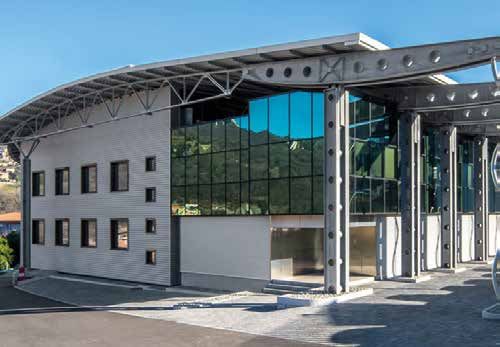
Caffè Milani nasce nel 1937 ed è oggi una delle torre-
  Caffè Milani was founded in 1937 and today it is one of the
fazioni
  leading leader.
           roasting Nel 1998 inè Italy.
                    factories    socioIn fondatore
                                            1998 it wasdell’Istituto
                                                         one of the
Nazionale      Espresso    Italiano   e   nel
  founding partners of the Italian Espresso   2017,  in occasione
                                                  National  Institute
dei
  and suoi  80 for
       in 2017,  anni,
                    theinaugura
                        occasion of un’esposizione      sul caffè
                                       its 80th anniversary,        e
                                                             it is ce-
lalebrating
    sua storia   di raro of
            the opening  interesse     culturale.
                             a new exhibition   about the world of
info@caffemilani.it
  coffee and also about its own private history of rare cultural
 interest.
IIAC
 info@caffemilani.it
L’Istituto  Internazionale Assaggiatori Caffè (Iiac) è
stato fondato nel 1993, vanta oggi oltre 10.500 allievi
residenti in 40 paesi del mondo e i suoi manuali sono
 IIAC
stati pubblicati in 11 lingue.
 The International Coffee Tasting Institute (Iiac) was founded
info@assaggiatoricaffe.org
 in 1993, boasts today over 10,500 students originally from 40
Ricerca
 different ecountries
             testi di around
                      Luigi Odello,  grafica
                              the world      di manuals
                                        and its Laura Mor,
                                                        have
realizzazione
 been publisheddel    Centro
                  in 11       Studi Assaggiatori.
                        languages.
Iinfo@assaggiatoricaffe.org
  Edizione: ottobre 2017.

                                     22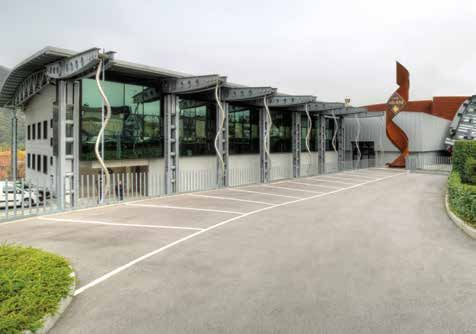
THREE CENTURIES OF RESEARCH
     TREFOR
         SECOLI   ALL
            A QUICK,   A RICERC
                     STRONG  AND A
            DI UN C AFFÈ
            PLEASANT  COFFEE
  R APIDO, POTENTE E PIACEVOLE
At the end of the 19th century coffee had become a part
 of tramonto
Al   the daily activity
                 del XIXin secolo
                             the western
                                     il caffèworld
                                              c’erafor edateraleast  three
                                                                 entrato
 centuries.  During  this  timeframe,    many  systems
nelle abitudini degli occidentali almeno da tre secoli.   and    methods
 had been questo
Durante      developed    in order
                       lasso        to prepare
                                temporale     si it.erano
                                                     In fact,sviluppati
                                                               for at least
molti sistemi per farlo. In pratica, per almenothe
 300   years, the world  of  coffee worked    hard    to fulfill  trethree
                                                                       se-
 basic needs which are strongly linked together: quickness,
coli, il mondo del caffè lavorò sodo per soddisfare tre
 strength, and pleasure. A goal that was only reached in the
necessità tra loro fortemente connesse: rapidità, for-
 last century with the birth of the Espresso.
za, piacere. Obiettivo che raggiunse solo nel secolo
scorso con la nascita dell’espresso.
QUICKNESS
LBoil
   A RtheAPIDITÀ
           coffee powder at least three times or wait patiently
Far   bollire  la polvere
  for the gravity   force todi     caffè
                                allow   thealmeno
                                             hot watertre to
                                                           volte
                                                             seepo through
                                                                    aspet-
tare   pazientemente         che    la  forza  di gravità    consentisse
  a layer of coffee making the drink free of grinds. This was the
all’acqua     calda divided
  challange which      di attraversare       unoallstrato
                                 coffee lovers              di caffè
                                                      through         ren-
                                                               the ninete-
dendo     la bevanda
  enth century.            priva
                   The italic geniusdi fondi?
                                         providedErathequesto   dilemma
                                                         solution: applying
che    divisetoper
  pressure        hottutto
                       water,il first
                                 XIX through
                                       secolo gli    amanti
                                                steam,    thendel
                                                                withcaffè.
                                                                      com-
L’italico  ingegno
  pressed air,           fornì
                first using       la soluzione:
                             a spring    and finallyl’applicazione
                                                      with a pump. del-
la pressione all’acqua bollente, dapprima attraverso
ilThe  result? poi
    vapore,    Twenty-five
                      con l’ariamilliliters of pleasant
                                      compressa,           and syrupy
                                                       quindi          cof-
                                                                 con una
  fee in only
molla          25 seconds.
         e infine    con una pompa.
Il risultato? Venticinque millilitri di caffè soave e sci-
  STRENGTH
ropposo      in 25 secondi.
 Strength was – and still is - measured by the intensity of the
Laroma
  A FOR  andZ A
              tactile consistency (the body, or syrupy texture,
 whatever you wish to call it). The evolution of the espresso
La forza era - ed è - valutata attraverso l’intensità
 technique led to achieving an unprecedented strength, redu-
dell’aroma e la consistenza tattile (il corpo, o scirop-
 cing the required coffee dose to half or even less.
posità che dir si voglia). L’evoluzione della tecnica
espresso
 HEDONISM    portò a ottenere una forza mai raggiunta
prima    riducendo  la dose
 Small and cuddling sips       di caffè
                         that carry     necessaria
                                    the aroma withinalla
                                                     the metà
                                                         coffee
oforanche   a meno.
      a long period of time. It seemed to be an unreachable
goal, but the Espresso made it possible, not only through the
L’EDONISMO
 mechanical evolution of the preparation systems but also
Piccoli
 throughsorsi  carezzevoli
          the art  of creatingche  recano
                                blends     per lungo
                                       by choosing  the tempo
                                                         best of
l’aroma
 what the contenuto       inthe
           tropics all over   unworld
                                   caffè:
                                       hadpareva
                                          to offer. una meta
irraggiungibile, ma l’espresso lo rese possibile, non
solo attraverso l’evoluzione meccanica dei sistemi di
preparazione, ma anche all’arte di comporre miscele
scegliendo il meglio di quanto offrivano i tropici di
tutto il mondo.

                                    33
THE VARIATION OF TASTE
                                      LE TAPPE   SIGNIFIC
                                          LE TAPPE  SIGNIFICATIVE,
                                                            ATIVE,
                                        L A VARIA ZIONE  DEL
                                    L A VARIA ZIONE DEL GUSTOGUSTO

                                9
                9
                                8

                8               7

                7               6

                                5
                                                                                                             Quick
                6
                                4
                                                                                                             Strong
                                                                                                               Quick
                5
                                                                                                             Pleasant
                4
                                3
                                                                                                              Strong
                            1850            1875         1900         1925           1950          1975        2000
                3
                                                                                                              Pleasant
            1850                    1875           1900            1925             1950            1975           2000

                    PROTO–ESPRESSO                                TRANSITION                       ITALIAN ESPRESSO

                9

                8
    PROTO–ESPRESSO                                         TRANSITION                              ITALIAN ESPRESSO
                7

                6

9               5

                4
8

                3
7
                2
6
                1

5
                0
                     Colour            Olfactive        Acidity      Astringency       Vegetable        Roasted       Biochemical
4                   intensity          intensity
                                Texture          Body         Bitterness       Flowers/fresh   Dried              Spicy
3                                                                                  fruit       fruits

2

1
                Sedicesimo Milani - 3.indd 4                                                                   03/10/2017 11:15:53

0
     Colour            Olfactive                 Acidity          Astringency         Vegetable             Roasted       Biochemical
    intensity          intensity
                Texture          Body                   Bitterness         Flowers/fresh           Dried              Spicy
                                                                               fruit               fruits
                                                                           4
THE EVOLUTION OF THE ROASTING PROCESS
L’EVOLUZIONE DELL A TOSTATUR A
 Humanity discovered that fire does not only affect the hy-
La   scoperta
  gienic            da parte
           characteristics     of dell’umanità
                                   food, but also the chesensory
                                                             il fuocoaspects
                                                                         non ha  by
solamente
  increasing the pleasure, soon enough this discovery degli
                   effetto    sulle    caratteristiche        igieniche     would
alimenti,
  affect alsoma   theanche
                        coffee su     quelle sensoriali
                                 consumption        methodsaumentando
                                                                  that had evol-
ilved
   piacere,      coinvolse
        from boiling       drupesben in presto
                                        water toanche        il consumo
                                                     the infusion     of the del
                                                                               well
caffè
  roastedchegrains.
                 passò     dalla
                        Until the bollitura
                                    end of thedelle
                                                  19th drupe
                                                         century,all’infusio-
                                                                     the roasting
ne    dei semi
  process            sapientemente
              was made        by conduction  tostati.    Finoforalla
                                                   method,              fine del
                                                                    example,     by
XIX    secoloheat
  supplying        la tostatura        avveniva
                        through materials       likeperò
                                                      iron etc.a conduzione,
                                                                   The goal was
vale    a direbutfornendo
  achieved,           frequentlyilthecalore
                                         aroma attraverso
                                                   was altered   unbymateriale
                                                                        empyreu-
come
  matic ilodors
             ferro.and  L’obiettivo
                           the taste veniva
                                        was damagedraggiunto,by thema     non di
                                                                      unpleasant
  contrasts
rado     l’aromabetween       bitter anddaacid.
                       era alterato               The use
                                              sentori           of steel spheres
                                                          empireumatici          e
ilthat
    gustorotate    on a heat source,
              pregiudicato          da poco  most     often made
                                                  piacevoli             of wood,
                                                                  contrasti    tra
  improved
amaro            the result
            e acido.            of roasting
                          L’utilizzo           for di
                                        di sfere     a greater
                                                        acciaio homogeneity,
                                                                    che ruota-
  but   the   true    leap  of   quality
vano su una fonte di calore, il più delle took    place   aftervolte
                                                                  Worldfornito
                                                                           War II,
da legna, migliorava il risultato della to- statura perwhi-
  with   the   introduction      of gas  heated     roasting    machine    in   la
  ch heat transfer
maggiore                  was entrusted
                  omogeneità                  to hotma
                                      raggiunta,        air. The   development
                                                              il vero   salto di
  of Italian Espresso was synchronized with the evolution of
qualità     si fece dopo la seconda guerra mondiale con
  the drum roasting machines the type that work on “batchs”
l’introduzione delle tostatrici riscaldate a gas nelle
  with varying cycles of 17 to 27 minutes. Today, equipped with
quali il trasporto del calore era affidato ad aria calda.
  sophisticated software that makes the process safer, but still
L’Espresso        Italiano si sviluppa dunque su macchine a
  always supervised by an employee, who through a well-stu-
tamburo
  died setting, questo
                di  is able totipo     chefrom
                                  obtain    funzionano
                                                    raw coffee   a “cotte”    con
                                                                    beans which
cicli  variabili     tra  17  e  27   minuti.   Oggi     dotate
  arrive from all over the world, the ideal components for com-      di softwa-
reposing
     sofisticati     che rendono
            rich, profound               il processo
                                and intense     blends. più sicuro, sono
però sempre governate dall’uomo che, attraverso
un’impostazione sapiente, ottiene da caffè crudo che
giunge da ogni parte del mondo, le componenti ide-
ali per comporre miscele ricche, profonde e potenti.

                                       5
THE BLEND:
L A MISCEL A: L’ARTE
THE ITALIAN ART OF ITALIANA
FINDING DI
COMBINARE THEMATRIMONI
RIGHT MATCH D’AMORE
L’arte della miscela si sviluppa in Italia ed è alla base
dell’Espresso Italiano.
The art of blending La miscela
was developed sopravanza
in Italy and has beeninfatti
the
cronologicamente
foundation of the Italianle macchine
Espresso. In per la preparazione
fact chronologically the
blend
del existed
caffè even before
espresso: the 1845
già nel espresso coffeetrattati
celebri machines were
descri-
invented:lealready
vevano in 1845
migliori the most
qualità knownper
di caffè treatises described
ottenere una
the best qualities
miscela eccellente of coffee
e come in pursuit of theinperfect
trattarle blend per
tostatura and
also describe
ricavare dallehow to handle
singole the beans
origini while roasting in order
più componenti.
to achieve
La miscelathe maximum
dunque nonpotential
nasce from a single per
solamente origindare
coffee.
al
consumatore un caffè dal profilo sensoriale costante
oThe
percreation of a blend
migliorare is not del
la tenuta just panello
in order to di give thesotto
caffè con-
sumer a coffee with a constant sensorial experience or to
la pressione delle macchine, bensì per aumentare in
improve the resistance of coffee under the pressure of the
modo mirabile il profilo aromatico del caffè in tazza,
machine, but rather to enhance the aromatic features of a
mettendo quindi in risalto ciò che specie, varietà e
cup of coffee in a wonderful way, highlighting what every type,
origini hanno
variety and regionda has
offrire per in
to offer incrementare
increasing the ilpleasure.
piacere.
6SEVENTY YEARS OF ITALIAN ESPRESSO
SET TANT’ANNI DI ESPRESSO ITALIANO
BUON
GOOD TASTE GUSTO
Conquistatori
Conquerors first, prima,
then conquistati
conquered by poi, l’I-
others,
Italy has been for millenniums the melting pot
talia è da milleni il crogiolo della estetica
of good
del gustotaste and aesthetics
TALENT
INGEGNO
Not just
Non solo mechanical
elementielements, but ama
meccanici, wise com-
sele-
bination and selection of the coffee
zione e unione sapiente di caffè di tutto arriving
ilfrom all regions
mondo of the
per dare worldatobasso
piacere give you plea-
costo
sure and satisfaction at low cost
OPTIMIZATION
POVERTÀ
Saving hot water
Risparmiare acquaandcalda
coffee (from(da
e caffè 13/15 g to
13/15
5/7a 5/7
g g) without sacrificing
g) senza ridurrethe pleasure
il piacere
71900 – 1940
THE COFFEE OF THE STEAM DRIVEN MACHINE
THE IMPORTANT LANDMARKS IN THE WORLD
OF COFFEE
1899 – The invention of the vacuum-sealing Method:
increases the shelf life of the coffee.
1901 – Bezzera registers the first model of coffee
machines adequate for coffee shops.
1906 – Benzene is the caffeine solvent in the first
decaffeinated coffee.
1908 – Melitta Benz creates the first coffee filter with a
1900
simple pan with a hole in it and blotting paper.
IL C AFFÈ DELL A MACCHINA A VAPORE
1933 – Alfonso Bialetti creates the Moka Express.
AN
20
Intensità colore
THE STEAM MACHINE
Golbale odori Tessitura
negativi
In 1901 thanks to Luigi Bezzera, the era of vertical steam
Golbale odori Intensità olfattiva
machines began, most fascinating thanks to their impressive
positivi
structure.The trend of drinking coffee in the coffee shops had
spread, where its prepared and served “instantly”.
In the steam macchine the extraction process starts with aCorpo
Biochimici
diversifirst passage of boiling water on the grounded coffee when
the coffee maker begins to drip, you close the water tap and
open the steam, which pushes the water to go through the
coffee in the filter and into the cup. One minute of waiting
and the drink can be served.
Speziato Acido
8THE COFFEE
By the middle of the 19th century, Arabica is the only variety
of cultivated coffee available1900
and Brazil gains most of the wor-
ld’s production
IL C AFFÈ thanks
DELLtoAitsMACCHINA
wide availability of fertile lands.
A VAPORE
Due to a roya epidemic, a fungus that causes serious damage
NI
AN
to coffee plant and ultimately killing it, begins the search for
20
new varieties that can withstand this parasite in the Coffea
Canephora (Robusta).
In Italy, during the Second World War, the importation of go-
ods is stopped and coffee is replaced with substitutes such as C
chicory, hibiscus tea and barley.
When the conflict is over, the coffee makes a comeback and Chio
with it the pleasure of going to the coffee shop and enjoying
an instant coffee.
In the cup the coffee looks like a black beverage mostly free
of cream at the surface due to the coarse grinding of the
C
beans and high temperature during the preparation process.
Colour intensity
Overall negative Texture
odours
Overall positive Olfactive intensity
odours © 2012 Luigi Odello, Centro Studi Assaggiatori, Istituto Internazionale Assaggiatori Caffè
Body
Biochemical
Spicy Acidity
Roasted Bitterness
Dried fruits Astringency
Vegetable Flowers/ www.ass
fresh fruit
Sedicesimo Milani - 3.indd 8 03/10/2017 11:16:16
91950
THE COFFEE OF THE LEVER MACHINE
THE IMPORTANT LANDMARKS IN THE WORLD
OF COFFEE
1947 – Achille Gaggia invents and patents the lever
machine.
1947 – The Espresso as we know it today, was born.
1950 – In America, instant coffee is introduced into
homes and sales increase. At the work place
1950 a daily habit.
coffee break become
IL C AFFÈ DELL A MACCHINA A LEVA
NI
AN
20
C
Chiod
C
Intensità colore P
THE SPRING PISTON LEVER MACHINE
Golbale odori Tessitura
negativi
The lever
Golbale odorimachine was assembled in 1938 by Achille Gag-
Intensità olfattiva
gia a bartender from Milan who patented the lever system
positivi
by launching the “crema caffè” technology. Ten years later a
large-scale production of this revolutionary bar machinery
© 2012 Luigi Odello, Centro Studi Assaggiatori, Istituto Internazionale Assaggiatori Caffè
Biochimici
is launched. Corpo
diversi
The pressure inside the machine is created by a piston driven
by a spring, both connected to a lever; lowering the lever
the spring is compressed and the hot water fills the cylinder
chamber underneath, coming into contact with the blend Acido
Speziato
in
the filter holder and paving the way for the pre-infusion.
When releasing the lever, the spring pushes the piston crea- M
ting pressure and forcing the hot water to pass through the
ground coffee, obtaining a dense, syrupy beverage with aAmaro
Tostato per-
sistent cream on the surface.
M
Frutta secca ed Astringenza
essiccata 10
Vegetale Fiori e frutta www.assa
frescaTHE COFFEE
Due to post-war aftermath and climate reasons, finding raw
materials is difficult and for this reason the coffee price in-
creases.
African countries are focusing their work on the cultivation of
1950
Robusta IL as aCsource of self-sustainment
AFFÈ DELL A MACCHINA and A
profit.
LEVA
In Italy, with the distribution of the lever machine, Espresso
NI
AN
was born and became the symbol of “made in Italy”.
20
From an elite product, coffee became a common and popular
drink consumed by all. In 1953, men consumed an average of
1.7 cups of coffee compared to 1.3 cups of coffee for women.
The quality of the bar Espresso is superior to the home-made
coffee; hence the Italian expression of “good coffee like the
one you drink at the bar”.
Chi
Colour intensity
Overall negative Texture
odours
Overall positive Olfactive intensity
odours
© 2012 Luigi Odello, Centro Studi Assaggiatori, Istituto Internazionale Assaggiatori Caffè
Body
Biochemical
Spicy Acidity
Roasted Bitterness
Dried fruits Astringency
Vegetable Flowers/ www.a
fresh fruit
10
11
Sedicesimo Milani - 3.indd 10 03/10/2017 11:16:361960
THE COFFEE OF THE A CONTINUOUS
DELIVERY MACHINE
THE IMPORTANT LANDMARKS IN THE WORLD
OF COFFEE
1961 – The E61 is the first continuous delivery coffee
machine.
1963 – Bunn creates the machine for the automatic
preparation of filtered coffee.
1964 – Maxim is the first freeze-dried coffee.
1968 – The single directional
1960 degassing valve
revolutionizes the
IL C AFFÈ DELL A MACCHINAcoffee packaging in the world.
A POMPA
NI
AN
20
C
Chiod
C
Intensità colore P
Golbale odori
THE CONTINUOUS DELIVERY Tessitura
MACHINE
negativi
Golbale odori
In 1961 Ernesto Valente designed for Faema the Intensità olfattiva
E61, the
positivi
continuous delivery machine named after the solar eclipse
of that year.
This ingenious invention for the coffee world adopts a volu-
© 2012 Luigi Odello, Centro Studi Assaggiatori, Istituto Internazionale Assaggiatori Caffè
Biochimici Corpo
metric pump (instead of the compression spring of the lever
diversi
machine) that allows you to prepare a perfect Espresso in
simplicity. By moving a lever or by pressing a button, powering
an electric motor that is connected to a pump that brings the
water pressure to 9 bars, keeping it constant throughout the
Speziato Acido
entire dispensing process.
The espresso machine is moved from the counter to the M
back counter; the customer can follow the bartender’s ability
Tostato Amaro
and technical skill during the coffee preparation. M
12
Frutta secca ed Astringenza
essiccataTHE COFFEE
In this decade Brazilian natural coffee is the main component
of the Italian blends; in addition to Brazil, the main exporters
include Colombia, Costa Rica, Mexico and Uganda.
At the coffee shops the Espresso is the prominent drink du-
1960
ring breakfast and work
IL C AFFÈ DELLbreaks of the ItalianA people.
A MACCHINA POMPA
In Japan in 1950, coffee importation is officially permitted; in
NI
AN
a few years hundreds of kissaten (coffee rooms) are opened.
20
In the United States the coffee giants offers low quality
blends, emphasizing price and brand as opposed to flavor
and aroma. In 1966, Peet’s Coffee & Tea opened in Berkeley
California, where the Dutch Alfred Peet offered his custo-
mers quality coffee. Peet is considered the “grandfather” of
specialty coffee.
Chi
Colour intensity
Overall negative Texture
odours
Overall positive Olfactive intensity
odours
© 2012 Luigi Odello, Centro Studi Assaggiatori, Istituto Internazionale Assaggiatori Caffè
Body
Biochemical
Spicy Acidity
Roasted Bitterness
Dried fruits Astringency
Vegetable Flowers/ www.a
fresh fruit
13
Sedicesimo Milani - 3.indd 12 03/10/2017 11:17:071970 – OGGI
THE ITALIAN ESPRESSO
THE IMPORTANT LANDMARKS IN THE WORLD
OF COFFEE
1971 – Starbucks inauguration.
1974 – Per primo il Tea & Coffee Trade Journal parla di
specialty coffee.
1982 – SCAA, Specialty Coffee Association of America
was born and in 1998 SCAE was born in Europe.
1993 – Established IIAC, International Coffee Tasting
Institute and in 1998 INEI, National Institute of
Italian Espresso.
2015 – ICO, International Coffee Organization establi
shes the International Coffee Day on October 1st.
CUSTOMIZED EXTRACTION MACHINES
Technologies applied to espresso machines allow you to cu-
stomize the extraction and achieve levels of excellence in the
cup. The first step is the creation of the independent group
machine, it continues with the ability to change the pressure
or water temperature on the coffee cake during extraction.
The single portion coffee spreads in the stores with machines
or dedicated groups.
14THE COFFEE
In the 1980s, in United States starts a new research for quali-
ty: in 2012, 37% of the total coffee consumption was attribu-
ted to Specialty coffee (SCA data).
From the 90’s in Europe, coffee becomes a drink with a
strong cultural and sensorial2000
value. With 12.6 kilos per capita
L‘ESPRESSO
the North Europeans ITALIANO
drink the most amount of coffee in the
world, but just Arabica.
NI
AN
20
In Italy the preference for lighter blends, with high percen-
tages of Arabica is in the Center-North, darker blends and
greater use of Robusta is common the South.
Japan represents 11% of the world sales by value.
China discovers the coffee and Espresso, the coffee shops be-
came widespread phenomena and the coffee culture grows.
Australia has discovered coffee and espresso thanks to Italian Ch
immigration, that is the reason for the popularity of “Latte Re-
volution”, the brewing and also the growth of small roasters
receiving massive request for specialty coffee.
Colour intensity
Overall negative Texture
odours
Overall positive Olfactive intensity
odours
© 2012 Luigi Odello, Centro Studi Assaggiatori, Istituto Internazionale Assaggiatori Caffè
Body
Biochemical
Spicy Acidity
Roasted Bitterness
Dried fruits Astringency
Vegetable Flowers/ www.a
fresh fruit
14
15
Sedicesimo Milani - 3.indd 14 03/10/2017 11:17:23egustazione
orica
MILANI SPA
22030 Lipomo (Co) - Via Provinciale, 811
affè e metodi di estrazione
Tel. +39 031 280778 Fax. +39 031 282762
al 1900 a oggi info@caffemilani.it - www.caffemilani.it
D egustazione
S torica
Vivere la s toria
dell’espresso
in prima persona
1Puoi anche leggere


