L'EPOCA DEI BEDUINI THE BEDOUIN TIMES - IL CAVALLO ARABO THE ARABIAN HORSE - Nawal Media
←
→
Trascrizione del contenuto della pagina
Se il tuo browser non visualizza correttamente la pagina, ti preghiamo di leggere il contenuto della pagina quaggiù
I

L’EPOCA DEI BEDUINI
Evoluzioni e caratteristiche Evolution and Features
                                                                                     l cavallo arabo, in quanto razza distinta, unica e facil-

IL CAVALLO ARABO THE ARABIAN HORSE
                                                                                     mente riconoscibile, si è sviluppata nei secoli, nei mil-
                                                                                  lenni addirittura. È stato il prodotto dell’allevamento dei
                                                                                  popoli nomadi beduini nelle zone centro-settentrionali
                                                                                  della Penisola Arabica, Iran, Iraq e Siria. È certo che in

THE BEDOUIN TIMES
                                                                                  fenotipo, questi cavalli non erano come negli Show di
                                                                                  oggi. Tuttavia, gli allevatori di cavalli arabi contempora-
                                                                                  nei devono moltissimo a questo forte retaggio culturale:
                                                                                  la nobiltà, il carisma, la potenzialità delle prestazioni, l'at-
                                                                                  taccamento all’uomo.
                                                                                  Purtroppo, questi sono esattamente gli aspetti che oggi
                                                                                  rischiano di sparire, l'allevamento non è sempre una que-
                                                                                  stione di cosciente responsabilità ma di considerazioni
                                                                                  strategiche. La maggior parte degli allevatori potrebbe
                                                                                  piuttosto essere considerati come collezionisti: di fatto
                                                                                  raccogliere bellissimi cavalli. Soltanto pochi spendono
By HANS J. NAGEL                                                                  tempo e pazienza impegnandosi a sviluppare strategie
                                                                                  che permettano loro di diventare, nel corso del tempo,
Lay-out: Mario Brunetti                                                           allevatori professionisti: i veri fautori, cioè della razza in
                                                                                  considerazione degli aspetti genetici legati sia al pedigree,
                                                                                  sia all'ambiente dell’allevare nel lungo periodo: una stra-
                                                                                  tegia che può attraversare le generazioni e non solo va-
                                                                                  lida fino alla prossima stagione di show. Prospettive di
                                                                                  allevamento a lungo termine sono esattamente ciò che è
                                                                                  importante al fine di mantenere e possibilmente anche
                                                                                  migliorare le caratteristiche della razza.

                                                                                  T
                                                                                                         >

                                                                                        he Arabian horse as a distinct, unique, and easily re-
                                                                                        cognizable breed has developed in the course of
                                                                                  centuries, even of millennia. It was a product of the bree-
                                                                                  ding of the nomadic Bedouin peoples in the middle and
                                                                                  northern parts of the Arabian Peninsula, of Iran, Iraq,
                                                                                  and Syria, and it is quite certain that in phenotype, these
                                                                                  horses were nothing like today’s show Arabians. Howe-
                                                                                  ver, the breeders of contemporary Arabians owe the “big
                                                                                  points” of the breed, even in our times, to this cultural
                                                                                  heritage: the noblesse, the charisma, the performance po-
                                                                                  tential, the attachment to people.
                                                                                  Unfortunately, these are exactly the aspects that are at
                                                                                  risk of disappearing nowadays, as breeding is hardly a
                                                                                  matter of conscious responsibility and strategic conside-
                                                                                  rations any more. Most breeders could rather be called
                                                                                  collectors: what they do is collect beautiful horses. Only
                                                                                  few take the time, have the patience, and employ the kind
                                                                                  of strategic thinking that will allow them to become, in
                                                                                  the course of time, professional breeders: true advocates
                                                                                  of the breed who consider the genetic and environment-
                                                                                  related aspects of breeding Arabian horses for the long
                                                                                  run and therefore develop a breeding strategy of their
                                                                                  own that spans generations, not just next year’s show sea-
                                                                                  son. Long-term breeding outlooks are exactly what is im-
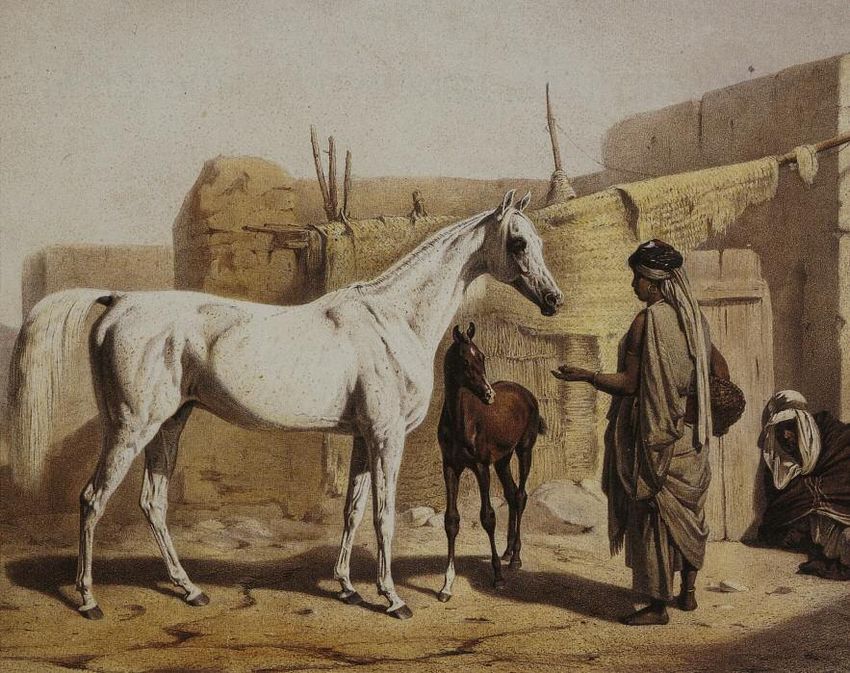
                                                      T. Horshelt, Arabian Mare   portant in order to maintain and possibly even improve
                                                                                  the characteristics of the breed.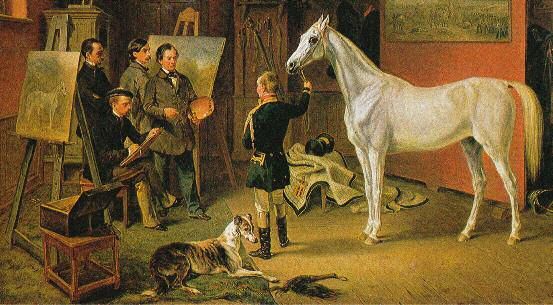
A peggiorare le cose, il mondo dei cavalli arabi di oggi
è un mondo fatto di immagine, la parola scritta gioca
un ruolo sempre più marginale: la copertura mediatica
To make matters worse, the world of Arabian horses
today is a world of pictures, with text playing an ever de-
creasing role and media coverage of Arabian horses mo-
C ome e quando i popoli primitivi delle tribù beduine
nomadi si siano dedicati all’allevamento del cavallo
arabo è argomento molto dibattuto, oggetto di opinioni
T here have always been many opinions and much
speculation as to when and how such a primitive
nomadic population as “the Bedouin tribesmen” became
dei cavalli arabi avviene per lo più sotto forma di pub- stly turning up in the form of advertising, email blasts, e speculazioni. Lo stesso vale per il quesito se siano stati associated with the Arabian breed, and whether it was
blicità, di campagne email, sottotitoli video o brevi clip video subtitles, or short clips of information – and most i beduini o piuttosto l’habitat selvatico i primi responsa- the Bedouins or the harsh environment which was pri-
di informazione che parlano, purtroppo, solo di feno- of that discussing only the phenotype, while only in rare bili nel determinare gli inconfondibili tratti caratteristici marily responsible for the attractive features which are
tipo mentre, solo in rari casi, di genotipo, argomento cases the genotype is considered at all. di questo genere equino e, risalendo indietro nella storia, exclusive within this horse genus and, reaching far back
affrontato assai poco. quando si siano sviluppati. Gli avvenimenti succedutisi into historical times, when such attributes developed.
WAHO president Dr. Hans Nagel, with his second big
nella Penisola Arabica nei secoli precedenti al XIX sono The many centuries prior to the 19th century have defi-
Il Dott. Hans Nagel, Presidente WAHO, con questa sua literary work, attempts to re-view and re-discuss the hi-
in gran parte avvolti ancora dal mistero e, nonostante nitely kept most of the Arabian Peninsula’s secrets, and
seconda grande opera letteraria, tenta di rileggere e ri- story, present and future of Arabian breeding and to
l’interesse e il lavoro di ricerca svolto su questi argomenti, in spite of all of the research and interest in this topic,
discutere la storia, il presente e il futuro dell'allevamento analyse and comment on the many different approaches
nessuno è stato in grado di formulare una risposta chiara nobody has been able to give a clear and well founded
del cavallo Arabo e di analizzarne e commentarne i di- to breeding, from the Bedouin nomads of the Nejd de-
e ben documentata. In effetti, questo capitolo non riu- answer. Indeed, this chapter will also not satisfy the cu-
versi approcci, dai nomadi beduini del deserto del Nejd, sert to today’s great studs all over the world, both state
scirà a soddisfare la curiosità del lettore che desidera riosity of those readers who want definitive answers to
ai grandi allevamenti di tutto il mondo, sia pubblici che and private, and including his own.
avere risposte definitive. Tuttavia possiamo indicare le this subject. However, what can be presented here are
privati, compreso il suo.
The excerpt from his book that is presented here, deals risposte che appaiono le più logiche e realistiche. Al the answers which are probably the most logical and re-
L'estratto dal suo libro che viene presentato qui, tratta with the origins and beginnings of the breed. At that time, tempo stesso occorre tenere ben presente che non esiste alistic ones, but with the qualification that there is not al-
delle origini della razza. A quel tempo non c'erano an- there were no photographers yet, but the illustrators and sempre una logica assoluta nell’evoluzione degli animali. ways absolute logic in the development of animals. It
cora fotografi ma illustratori e pittori che, dal XIX se- painters of the 19th century have left extensive documen- Può sembrare che l’evoluzione di una specie che si svi- seems to be the case that evolution of a species develop-
colo in poi hanno lasciato un'ampia documentazione tation on the horses of their times. Correspondingly, the luppa naturalmente entro un dato ambiente sia caotica, ing naturally within a certain environment can be
iconografica. Questo testo è stato arricchito con una text was enriched with a selection of finest histical art nel senso che sembra procedere continuamente supe- chaotic, in the sense that there is continuous trial and
selezione delle più belle tra quelle opere d’arte. Non works. We do not know whether the painters of old mostly rando prove ed errori, e ciò che alla fine si evolve sono i error, and what finally evolves are the necessary tools and
sappiamo se quei pittori rappresentassero i loro cavalli depicted their ideal horses or used real horses as models. mezzi e le forme adatti alla sopravvivenza di tale specie. shapes for that species’s survival. Positive achievements
idealizzandoli o ritraendoli dal vero, come modelli, What we do know is that in many of the pictures that tell In questo senso, le conquiste nello sviluppo naturale sem- in natural development are finally a matter of random
quello che sappiamo è che in queste immagini, i primi us of the Arabian horses the first European adventurers brano una questione di opportunità casuali e fortuite. and lucky chances.
avventurieri europei, incontrando i cavalli stessi, rima- encountered, the primary subject seems to be not just the L’addomesticazione avvenne circa 3.000 anni a.C. I ca- Domestication took place about 3000 B.C. From Asia, most
sero colpiti dal loro attaccamento alle persone, dal rap- horses themselves, but their attachment to people, their valli provenivano dall’Asia, molto probabilmente dalle probably from the Kazakhstan area, horses arrived that
porto con i beduini, dal reciproco affetto tra l’uomo e relationship with the Bedouins, the mutual affection regioni dell’attuale Kazakistan, ed erano già stati addo- were already domesticated. They reached Mesopotamia at
il cavallo che condividono i propri destini. Un'altra between horse and man culminating in shared fates. mesticati. Giunsero in Mesopotamia intorno al 2.000 about 2000 B.C., Egypt at about 1500 B.C., and came
cosa che oggi possiamo imparare dalla storia. Which is something else we can learn from, today. a.C. e in Egitto intorno al 1.500 a.C. e si spinsero ancora further South, to the Arabian Peninsula, by about 1000
Monika Savier più a Sud, nella Penisola Arabica, intorno al 1000 a.C. B.C. The difference in environments between Asia and the
Nawal Media
Le enormi differenze ambientali tra l’Asia e l’Arabia, hot climatic conditions in Arabia, was so enormous that
dove il clima è torrido, richiesero lunghi periodi di adat- those emigrants needed about 1000 years to adapt in order
tamento, che si protrassero per quasi 1000 anni, prima to make their first successful step into the hot and dry land
che tali migrazioni giungessero nei territori asciutti e as- of the Arabian Bedouins. Nobody can tell, if these horses
solati dei beduini arabi. Non si può stabilire se nel frat- had already acquired in the meantime the major features
tempo i cavalli avessero già acquisito le caratteristiche of an Arabian or if the so-called “Arabian type”, displaying
principali dell’Arabo, o del cosiddetto “tipo arabo”, esi- a high tail carriage, concave head, short ears and “quality”
bendo un portamento alto della coda, una testa concava, did amorph only later on in its perfection in Arabia. All pre-
orecchie corte, o se la “qualità” si sia affermata in tutta viously known horse breeds showed a clear strongly con-
la sua perfezione solo più tardi in Arabia. Tutte le razze vexed head and were boney and bulky. Only few existing
equine note in precedenza mostrano chiaramente una petroglyphs engraved in certain rock formations in the Pe-
testa fortemente convessa e una complessione ossuta e ninsula helped to give a certain orientation and a possible
massiccia. Solo certe rappresentazioni rupestri scolpite
affirmation: they present horses of elegance. Regrettable
in alcune formazioni rocciose nella Penisola offrono
the number of horses in the desert area was so small that
qualche indizio significativo: esse rappresentano infatti
Coloro che volessero vedere e conoscere di più, molto di più, con informazioni affascinanti, testi scientifici, storie there is hardly a chance at all to find any traces in such hu-
cavalli eleganti. Purtroppo il numero dei cavalli nel de-
di sfondo e naturalmente tanti dipinti e fotografie, potranno trovarle in questo nuovo libro di Hans Nagel: gely extended territories.
serto era così limitato da rendere oggi estremamente im-
"The Arabian Horse - Un dono di natura e l'arte di allevarlo". Who brought these horses into the Southern countries is
probabile individuarne i reperti, considerando
For those who would like to see and read more, lots more of fascinating information, scientific text, back- just speculation as well. It is well known that since 2000-
soprattutto l’immensa vastità dei territori.
ground stories and, yes, paintings and pictures are presented in Hans Nagel’s new book: 3000 B.C. a great trading activity had existed between
Ben poco è dato sapere anche sul conto di chi portò i ca-
“ The Arabian Horse - Nature’s Creation and The Art of Breeding”. North and South, mainly from Yemen and Oman. Spices
valli nelle regioni meridionali. È ben noto che dal 2.000-
and copper were brought by camel caravans to the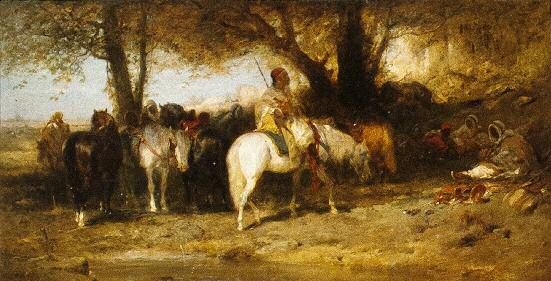
EVOLUZIONE               E TRATTI
3.000 a.C. c’erano notevoli   scambi CARAT-
                                       commerciali tra                  Northern cities and food and livestock, such as sheep and
TERISTICI          DELL’ARABO
Nord e Sud, soprattutto dallo Yemen e dall’Oman. Ca-                    goats and their products were delivered southward. Horse
                                                                                                                                           Engraving from “Travels in Arabia Deserta” by Charles Montagu Doughty

ALL’EPOCA           DEImentre
                           BEDUINI
rovane di cammelli trasportavano grossi carichi di spezie               trade, however, is nowhere mentioned for that time in history.
e di rame verso il Nord,       al Sud portavano derrate                 In summary, it took nearly 2000 years until the domesti-
alimentari e animali come pecore e capre, insieme ai                    cated horse had made the distance from Asia to the bor-
     Come
prodotti    da eessi
                   quando
                      ricavati.i Ma
                                  popoli    primitivi
                                      da nessuna          delle
                                                      parte  si trova   ders of the Peninsula. Only then could horses move
tribù beduine nomadi si siano dedicati all’alle-
alcun   riferimento     al cavallo.                                     further South into an extremely unfriendly environment
vamento
Riassumendo,  del cavallo
                    il cavalloarabo    è argomento
                                 domestico               moltoquasi
                                              ha impiegato              as the companions of men.
2.000 anni per giungere dall’Asia nella zona dove inizia                This latter point is imperative, otherwise it would con-
dibattuto, oggetto di opinioni e speculazioni.
la Penisola, e per inoltrarsi nelle regioni più meridionali             tradict all known realities about the equine species – that
Lo  stesso valedell’uomo,
in compagnia          per il quesito
                                  in un se  siano stati
                                        ambiente          i be-
                                                     estremamente       is, that a horse breed, living and subsisting on grasslands
duini
difficileoepiuttosto
             inospitale.l’habitat selvatico i primi re-                 and poorly adapted to desert conditions, could not have
sponsabili
Quest’ultimanel       determinare
                   è una    questione gli    inconfondibili
                                        essenziale.    In caso con-     survived without its reliance on men under such harsh
tratti caratteristici di questo genere equinostabilito
trario   si contraddirebbe        tutto ciò  che   è stato    e,        and uncompromising conditions. The type of animals
risalendo indietro nella storia, quando si siano
sulle specie equine, e cioè che una razza vissuta ed esi-               normally living in this mostly dry Peninsula were less de-
stita nelle praterie, male adattandosi all’ambiente de-                 pendent on water and grazing than the horse. These an-
sviluppati.
sertico, non     Gli sarebbe
                       avvenimenti       succedutisisenza
                                    sopravvissuta         nella far     imals could survive for days without drinking, whereas
Penisola
affidamento   Arabica
                 sull’uomonei secoli
                                viste leprecedenti      al XIXe av-
                                         condizioni ardue               horses need water daily, and only men were able to offer
sono    in gran
verse della         parteLeavvolti
              regione.                 ancora
                              altre specie       dal mistero
                                            animali   che vivevano      it to them under the prevailing natural conditions. There
e, nonostante l’interesse e il lavoro di ricerca
in  questa    Penisola     estremamente       arida   dipendevano       is some suggestion that large parts of the Peninsula,
svolto
molto menosu questi
                 dalla argomenti,
                        disponibilitànessuno
                                         di acqua eè distato  in ri-
                                                         pascolo        namely the Yemen, had once a few thousand years ago
spetto al cavallo. Si tratta di animali capaci di soprav-               a different climate and carried sufficient vegetation to
grado di formulare una risposta chiara e ben
vivere per intere giornate senz’acqua, mentre il cavallo                enable it to carry the horse as a wild animal, but this is
documentata.
deve abbeverarsi      Inquotidianamente
                          effetti, questo capitolo
                                                e a questo,nonnelle     purely speculative. Also, the Yemen’s topography is not
riuscirà
condizioni  a soddisfare      la curiosità
                naturali prevalenti           del regione,
                                          nella   lettore che poteva    horse-friendly and horses are not suited to be mountain          Non vi sono prove che facciano presupporre che nella                      hammed decreed that Arabian horse breeding was of
desidera
provvedereavere         risposte
                solo l’uomo.         definitive.
                                  Qualcuno           Tuttavia
                                               suggerisce    che di-    animals. The horse has always been found in the vast ter-        Penisola Arabica si allevassero cavalli per tutto il periodo              overwhelming importance, and he encouraged horse
possiamo
verse migliaia indicare
                    di anni le fa
                                risposte   che appaiono
                                   gran parte                 le in
                                                della Penisola,         ritories of Asia, where they lived in herds and consistent       che va dalle antiche civiltà mesopotamiche fino al I se-                  lovers and poets to document these noble animals in
più logiche e realistiche. Al tempo stesso oc- da
particolare     lo  Yemen,     godesse   di  un  clima   diverso        with their fugitive nature they had room for flight. The         colo a.C. Non vi sono documenti scritti, disegni o riferi-                their scripts and poetry. Their writings are well consid-
quello attuale, tanto da essere coperto da una vegeta-                  Yemen conditions did not fit at all to such ramification.        menti storici. Esistono solo alcuni disegni rupestri                      ered testimony about the high value that an Arabian
zione sufficiente per il pascolo di cavalli selvatici. Ma               This would also mean that the Arabs had to domesticate           recentemente scoperti che danno adito ad ipotesi inte-                    horse had in the Islamic world.
questa è un’ipotesi puramente speculativa. Inoltre, la                  the horse in these lands, but there is no evidence at all        ressanti. Nessuno però sembra dubitare che durante                        Throughout its whole history the Arabian Peninsula was
topografia dello Yemen, prevalentemente montuosa,                       for such an assumption. Considering the Middle Eastern           questa “epoca buia” il cavallo arabo vivesse già con le                   never heavily populated. One part of its people lived in
non è congeniale al cavallo. I cavalli sono sempre vissuti              climatic conditions for the last 2,000 years, those people       tribù dei beduini. Di conseguenza trascorse molto tempo                   small cities or simple villages, others made their living
nelle vaste pianure asiatiche, dove si riunivano in bran-               who populated these partly deserted regions of the               prima che il Profeta Maometto decretasse che l’alleva-                    from agriculture being properly settled in the few fertile
chi e dove, come prevede la loro natura, disponevano                    Peninsula were undoubtedly part of a migrating society.          mento del cavallo arabo aveva la massima importanza e                     areas where an amazing colourful flora of the Orient ap-
degli spazi necessari alla fuga. Le condizioni dello                    Since known historical times, Bedouin nomads have                incoraggiasse gli appassionati del cavallo e i poeti a do-                peared regularly in all its beauty. There were however,
Yemen non soddisfano questi requisiti. Inoltre, questo                  moved to follow the seasonal offerings of food and water         cumentare nei loro scritti e nelle poesie la nobiltà di que-              large regions of poor, inhospitable land which only af-
implicherebbe che gli arabi addomesticarono il cavallo                  for their stock: they have cultivated and raised sheep and       sto animale. I loro testi vengono giustamente considerati                 forded their inhabitants an insecure and miserable exis-
in quella regione, ma tale presupposto è assolutamente                  camels, sometimes donkeys, and only a few of them bred           una testimonianza del grande valore che il cavallo arabo                  tence. These inhabitants had to move frequently in their
privo di riscontri. Considerando le condizioni climati-                 horses, and even then apparently in very limited num-            ha rivestito nel mondo islamico.                                          search for food and grazing areas for their livestock, as
che del Medio Oriente negli ultimi 2.000 anni, le po-                   bers. The number of horses was so small that each horse          La Penisola Arabica non è mai stata densamente popo-                      their livestock was virtually their sole wealth. These
polazioni che si stabilirono nelle regioni parzialmente                 was appreciated and every single horse was well known            lata. Anticamente una parte dei suoi abitanti viveva in pic-              desert dwelling Nomads were distinctly separated from
desertiche della Penisola furono senza dubbio parte di                  by many people, even when belonging to different tribes.         cole città o villaggi, un’altra era dedita all’agricoltura,               the settled population in every conceivable way; in
una società nomade. Nelle epoche storiche a noi note i                  From the Mesopotamian times until the first century              opportunamente insediata nelle poche zone fertili in cui                  lifestyle, culture, knowledge and civilisation and they
beduini si spostavano a seconda della disponibilità sta-                B.C., no traces have been discovered in explanation of           la tipica flora orientale dai colori vivaci sfoggiava tutta la            were on the lowest scale of Middle Eastern society.
gionale di cibo e di acqua per il loro bestiame: selezio-               horse breeding in the Arabian Peninsula: there are no            sua bellezza. Vi erano però ampie regioni aride e inospitali              They were treated with suspicion and fear by the town
navano e allevavano ovini e cammelli, talvolta asini, ed                written documents, drawings, or any kind of historical           che costringevano gli abitanti ad un’esistenza misera e in-               people, by migrating caravans and by most travellers to
erano in pochi a poter allevare cavalli, anche in numero                marking points, but newly discovered drawings on rocks           sicura. Essi dovevano spostarsi di frequente alla ricerca di              the area. The products of sheep and camels generally
limitato. Il loro numero era così esiguo che ogni singolo               allow some interesting assumptions. However, nobody              cibo e di pascoli per il bestiame, che costituiva la loro unica           secured their daily necessities of life. Only very few of
cavallo era tenuto in gran conto e subito ben ricono-                   seems to doubt that during this “dark age” the Arabian           risorsa. Questi nomadi del deserto erano nettamente se-                   the Bedouin Sheikhs were able to gather a certain wealth
sciuto da molte persone anche appartenenti ad altre                     horse was already living with the Bedouin tribes. Conse-         parati dalla popolazione stanziale in tutti i sensi: per lo               and these Sheikhs were the ones who cared about the
tribù.                                                                  quently, a long time passed before the Prophet Mo-               stile di vita, la cultura, le conoscenze e la civiltà.                    breeding of horses.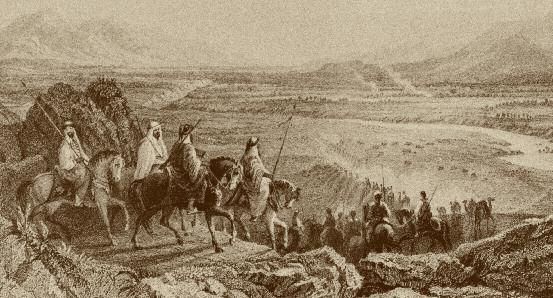
Appartenevano al gradino più basso della società medio-        How did these poor and simple nomads then manage to           zione e di allevamento caratteristiche dei diversi territori
orientale. Venivano trattati con diffidenza e timore dagli     develop this Arabian horse? What is the part they played      che compongono la grande regione araba.
                                                                                                                                                                                                V. Huguet, Hunting with Falcon

abitanti delle città, dalle carovane di nomadi e da chiun-     and what is the part played by natural selection from the     Essendo uomini e cavalli dipendenti l’uno dall’altro, essi
que viaggiasse nella zona. Le esigenze quotidiane della        forces of nature. Was it man-made selection or environ-       certamente migravano insieme. Dopo la primavera si
vita venivano soddisfatte con i prodotti degli ovini e dei     mental factors, or a combination of both, and if it was the   spostavano verso Nord, per sfuggire la calura estiva, e
cammelli. Solo pochi sceicchi beduini erano in grado di        last mentioned, what proportion did each play? These are      facevano ritorno quando il clima era più clemente. In
accumulare qualche ricchezza e furono loro a dedicarsi         the unanswered questions.                                     questi viaggi percorrevano anche centinaia di chilometri.
all’allevamento dei cavalli.                                   In any case it is a fact that there are different types of    Alcune tribù si spostavano soltanto entro confini definiti
Come riuscirono questi nomadi poveri e frugali a svilup-       Arabian horses and even many types. In relatively re-         nell’ambito di questo vasto territorio. Più lontano una
pare il cavallo arabo? Quale fu il loro ruolo e quale          cent history, there was a bigger and more athletic type       tribù si spingeva fuori dal Nejd e maggiore era il rischio
quello della selezione naturale nel contesto ambientale?       of Arabian in the North, found in the lands near the          di ibridazione dall’incrocio dei cavalli di una tribù con
Fu l’uomo ad attuare questa selezione, oppure furono i         Euphrates and Tigris rivers. There was also a smaller,        quelli di un’altra. Invece, più la tribù restava in prossi-
fattori ambientali, o ancora una combinazione dei due?         more refined type to which historians and travellers          mità del Nejd e più frequenti erano gli accoppiamenti in
E in tal caso, in che misura influì ciascuno di essi? Queste   refer as the “Nejdys”, as these were bred in the              consanguineità. Vi sono indicazioni che lasciano sup-
domande sono ancora senza risposta.                            “Nejd”region, being in the central and Western part of        porre che i primi cavalli arabi fossero color sauro o grigio
Resta comunque il fatto che vi sono diversi, anzi molti        the Arabian Peninsula. Even in modern times, genecists        trotinato, con pochi o nessun segno bianco. Esemplari
tipi di cavallo arabo. Nella storia relativamente recente      and biologists cannot agree yet about this subject, as        con segni bianchi furono successivamente individuati so-         The further a tribe moved from the Nejd region, the
un tipo di cavallo arabo di corporatura più grande e più       they search for equine genomes of different horse             prattutto nelle regioni settentrionali. Questo si può attri-     greater became the risk of mixing the breed by crossing
atletico è stato individuato nel Nord, nei territori pros-     breeds. It now seems conclusive that there is not only        buire ad un cambiamento dei gusti degli allevatori               one tribe’s horses with those of another tribe on one
simi ai fiumi Tigri ed Eufrate. Un tipo più piccolo e fine     one, but definitely several subgroups of the Arabian          oppure alla maggiore mitezza dell’ambiente, dove le              hand and the closer a tribe stayed to their Nejd region,
viene indicato dagli storici e dai viaggiatori con il nome     breed with the differences depending on the environ-          parti della pelle depigmentata non avrebbero compro-             the more prevalent became the practice of inbreeding,
di “Nejdys”, in quanto allevato nella regione del Nejd,        ment and breeding practices from the different territo-       messo il benessere o la vita dell’animale. Come il cavallo       on the other hand. As a consequence, it is certain that
cioè la parte centro-occidentale della Penisola Arabica.       ries of greater Arabia.                                       arabo abbia ottenuto i suoi tratti caratteristici sopra in-      both cross breeding and inbreeding were frequently
Anche in epoca moderna, i genetisti e i biologi che stu-       Since horses and men were bound together, they also           dicati è argomento dei capitoli che seguono. Le prime            practised. There is some evidence to suggest that the
diano il genoma equino di diverse razze non riescono           migrated together. They moved to the North after              due caratteristiche, agilità e docilità, potrebbero essere       early Arabian horses were mainly of chestnut or
ancora a mettersi d’accordo su questo argomento. Sem-          springtime to escape the hot summer season and re-            legate al contatto con l’uomo. Le altre non sarebbero esi-       fleabitten grey colour, with few or no white markings.
bra però certo che non esista un unico genoma per il ca-       turned in a better season. Such a journey could cover         stite se la natura e l’ambiente non avessero creato la ne-       White markings were later found, mainly in the North-
vallo arabo, bensì diversi sottogruppi, le cui le differenze   hundreds of kilometers. Some of the tribes moved only         cessità che spinse lo sviluppo in una direzione molto            ern regions, and this could have been due to a change
sono dovute all’ambiente e alle procedure di riprodu-          within limited borders in this wide, expanded territory.      precisa.                                                         of taste by their breeders or due to a kinder environ-
                                                                                                                                                                                              ment, where pigmentation-free unprotected skin sec-
                                                                                                                             Velocità, scatto e resistenza                                    tions would not be deleterious to a horse’s health or life.
                                                                                                                             Lo stile di vita belligerante delle tribù beduine richiedeva     How it happened that the Arabian horse became gifted
                                                                                                                             senza dubbio un cavallo veloce e agile, ma anche forte e         with very particular certain traits, as mentioned previ-
                                                                                                                             resistente. Se i cavalli non fossero stati indispensabili alla   ously, will be shown in the following chapters. The first
                                                                                                                             loro esistenza i beduini non avrebbero avuto alcun biso-         two traits, swiftness and disposition, could develop with
                                                                                                                             gno o interesse a dividere con loro le magre risorse di-         the decisive interference of man. The other traits
                                                                                                                             sponibili e a proteggerli da condizioni di vita quasi            would not exist if nature and the environment had not
                                                                                                                             proibitive. Avevano bisogno dei cavalli per la guerra, per       created the need which forced the development into a
                                                                                                                             i continui conflitti tribali in cui si contendevano territori    very distinct direction.
                                                                                                                             e pascoli, o per le razzie di donne e di bestiame. Un ca-
                                                                                                                             vallo veloce e resistente poteva fare la differenza tra la       Speed, Agility and Stamina
                                                                                                                             vita e la morte, e di conseguenza rappresentava una for-         The war-like lifestyle of the Bedouin tribes undoubtedly
                                                                                                                             tuna per queste popolazioni. Così, velocità e resistenza         required a fast, strong and agile horse and one also gifted
                                                                                                                             sono il criterio di selezione prioritario e più antico. Un       with stamina and power. If their horses had not been cru-
                                                                                                                             accoppiamento selettivo degli esemplari più scattanti e          cial to their existence there would have been no need or
                                                                                                                             forti fu quindi il primo passo di un allevamento sistema-        desire by the Bedouins to share with them the meagre food
                                                                                                                             tico. Il galoppo e l’andatura al passo furono i primi mo-        available or to protect them from the harsh conditions of
                                                                                                                             vimenti osservati: il primo necessario in situazioni di          life. They needed horses for war; for their frequent tribal
                                                                                                                             combattimento, il secondo durante le migrazioni. Gli             wars, their tribal conflicts about territory, about grazing
                                                                                                                             esemplari migliori furono favoriti nell’ambito della po-         grounds and about stealing women or livestock. A fast
                                                                                                                             polazione chiusa. Non c’era un’altra razza che potesse           horse with stamina meant the difference between life or
                                                                                                                             competere, almeno nei territori meridionali dell’Arabia.         death, and consequently, was a fortune for such people.
  A. Schreyer, Rest in the Oasis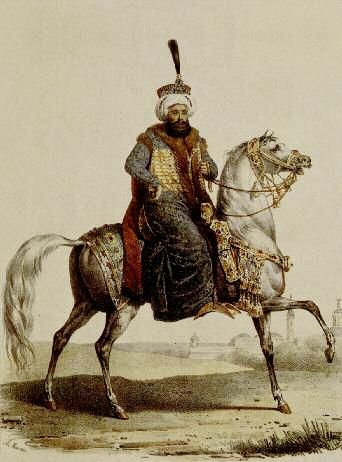
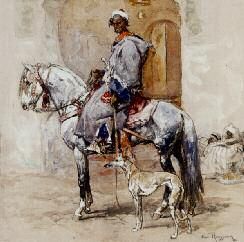
F. E. Adam, Arabian Stallion                                   G. Flasschoen, Cavalier arabe                                        H. Rousseau, La Garde Noir du Sultan                            A. De Dreix, Omar

Avvenne così una selezione all’interno della razza. Lo        Therefore, speed and endurance were possibly their first           Venivano cavalcati fino a quando non crollavano e a              all critical of the frequent leg problems that they saw and
stesso però non si può dire per le zone di confine a Nord     and oldest criteria as the Bedouin’s basis for selection and       quel punto erano eliminati. Molti di questi viaggiatori          these did not appear to concern their breeders. Horses
dell’Arabia, dove tali condizioni non erano garantite. A      to selectively breed these swift and strong horses was prob-       riferirono quanto fosse difficile trovare cavalli che di-        with major faults were selected out by the hardships of the
Nord di questo confine si trovavano altre popolazioni di      ably the first step to systematic breeding. Gallop and walk        sponessero di arti sani e robusti − tutti avevano dei di-        environment and by their use. They were simply ridden
cavalli che erano molto apprezzate per la qualità delle       were their two kinds of motion: the first one needed in a          fetti − e come si prestasse scarsa attenzione alla cura          until they broke down, and were then discarded. Most of
loro prestazioni.                                             war situation and the latter one during migration. Within          degli zoccoli o alle escoriazioni. Solo quelli molto sani        these early travellers reported that it was very difficult to
Vi sono senz’altro alcune caratteristiche da mettere in       their closed population they favoured those horses. There          e forti potevano soddisfare le esigenze dei beduini, i de-       find horses with a sound and proper set of legs, most of
rapporto alla velocità. Una è la respirazione. Una testa      were no other competing breeds around, certainly not in            boli o poco sviluppati venivano eliminati.                       them were faulty, and not much attention was given to care
grande, abbastanza ampia da poter inserire il pugno           the Southern territory of Arabia; it was a selection within        La natura e l’uomo hanno provveduto insieme alla se-             of hooves or damages of the skin. Only healthy horses
chiuso tra le mandibole – e che lasci così lo spazio ne-      the breed. However, on the Northern border of Arabia               lezione, ciascuno con i propri mezzi. La natura può do-          with great stamina could fulfill what the Bedouin rider
cessario ad una trachea grande –, e narici ampie, molto       the same and equal conditions were not guaranteed.                 nare prosperità, con risultati davvero brillanti, ma è           asked of them; weak and poorly developed horses were
flessibili ed elastiche che contribuiscono a rendere più      Other famous horse populations lived north of this bor-            anche una forza spietata e inflessibile. Un ambiente             eliminated. Nature and men selected jointly, each one by
efficiente la respirazione. Agli arabi piacevano poi gli      der, which were as well very appeciated for their perform-         ricco e un’alimentazione abbondante facilitano la cre-           its own means. Nature is able to prosper and to foster bril-
occhi grandi, ben disposti su orbite pronunciate. Questo      ance abilities.                                                    scita delle ossa e dei muscoli. In tale situazione gli ani-      liant results, but it is also a merciless and unforgiving force.
consentiva al cavallo di avere una visuale laterale estesa    There are undoubtedly particular features which are re-            mali più deboli hanno più possibilità di sopravvivere.           A rich environment and opulent feed will encourage
in pratica a quasi 360 gradi, tanto da riuscire a vedere      lated to speed. One is breathing. A broad head, which is           In un ambiente povero accade il contrario: il cavallo ha         growth of bones and muscles. And, in such an environ-
anche alle proprie spalle. Tale capacità “retrovisiva” ha     wide enough to place a fist between the two mandrils, al-          una crescita ridotta ed è magro. Per questo motivo rie-          ment weaker animals have a better chance to live and to
inoltre l’effetto di calmare l’animale: vede che non ci       lows the formation of a large windpipe and wide nostrils,          scono a sopravvivere solo i più forti e sani. Gli arabi          survive. In a poor environment, the opposite will occur,
sono pericoli alle spalle e sarà quindi più tranquillo e      with great flexibility and elasticity which assists in efficient   erano noti per la loro durezza e inflessibilità. Cavalca-        such as reduced growth and lean horses, and therefore
trattabile.                                                   breathing. The Arabs also liked a large eye, well placed in        vano e accudivano il cavallo fintanto che era in forma,          only the strong and healthy will survive. Arabs are known
Quindi, testa ampia e occhio ben posizionato erano due        prominent eye sockets, as this allows the horse to have an         ma quando subentravano problemi di mobilità lo ab-               to be hard and ruthless, they rode and cared for their
caratteristiche che gli arabi selezionarono insieme a         all-around view including vision behind it. This “rear             bandonavano al suo destino. Talvolta, nel caso di una            horses as long as they were sound, but horses unable to
quelle primarie di velocità e resistenza? È probabile. È      view” ability also has a calming effect. Since they know           buona giumenta, essa veniva ceduta in città a qualcuno           move properly were left aside to survive or die. Sometimes,
noto che gli arabi usavano una stecca per misurare le         that no danger comes from behind, the horses will be more          che fosse poi disposto a pagare il proprietario con un           if she was a precious mare, they sold her to town people
varie parti del cavallo al fine di individuare le dimen-      relaxed and tractable. Therefore, is the broad head and            suo puledro.                                                     with the promise from them to give a foal back to the pre-
sioni e le conformazioni dei cavalli più veloci. Misura-      the large well placed eye a feature which the Arabs bred           Se è vero che tutte le caratteristiche e i tratti negativi del   vious owner.
vano e calcolavano le proporzioni delle diverse parti del     for selectively, in addition to their selection for speed and      cavallo arabo sono stati eliminati nel corso del tempo −         If it is true and correct that all features and traits detrimental
corpo. Come tra gli allevatori di oggi, talvolta si rag-      endurance? Perhaps. It is known that Arabs liked to meas-          dall’uomo e dalle dure condizioni ambientali −, che solo         to the development of the Arabian horse have been elimi-
giungeva un accordo su quale fosse la proporzione             ure various parts of a horse with their stick to determine         gli esemplari più adatti e più forti potevano sopravvivere,      nated by time, either by man or even more by the harsh en-
ideale, ma anche tali risultati erano molto discussi. Sem-    what is the best formation and features of a horse for bet-        che il cavallo viveva in popolazioni di solito numerica-         vironment that only the fittest and soundest would survive,
bra che questi arabi beduini non attribuissero molta im-      ter speed abilities. They measured and compared parts of           mente molto limitate, strettamente chiuse, isolate e distanti    that the populations in general were small, tightly closed
portanza ai difetti degli arti. Nei loro resoconti, i         the body in proportion to each other. Like the breeders of         da possibilità di incroci con altre razze, allora è logico ar-   within themselves, isolated and far away from any other al-
viaggiatori del XIX secolo riferirono di aver frequente-      today, there was sometimes a consensus about how such a            guire che la culla del cavallo arabo sia stata la regione me-    ternative breed, then, logically, the cradle of the Arabian
mente notato casi di cavalli con problemi agli arti ma        proportion should look, but such results were also much            ridionale della Grande Arabia, dove vigevano condizioni          horse has to be in the South of greater Arabia, where such a
che ciò non sembrava preoccupare gli allevatori. I ca-        argued. These Bedouin Arabs did not seem to place much             di vita dure e in cui prevalevano le forze selettive della na-   hard lifestyle existed and where such selective forces of nature
valli che presentavano difetti più evidenti venivano elimi-   reliance on leg faults. In reading the contemporary reports        tura. Solo così è possibile sostenere con convinzione che        prevailed. Only in such a case can one argue with conviction
nati dagli stenti, dovuti sia all’ambiente che alla fatica.   of the travellers during the 19th century, they were nearly        quella araba sia la razza più forte tra tutte le razze equine.   that the Arabian is the soundest breed of all horse breeds.
Nell’Arabia Deserta, un grande Sceicco
                                                          non si sarebbe mai preso cura di nulla
                                                          ad eccezione del suo cavallo. Nell’este-
                                                          nuante girovagare dei beduini, tutto il
                                                          duro lavoro di imballo delle merci e quo-
                                                          tidiano trasloco era lasciato ad altri: uo-
                                                          mini, donne o schiavi.
                                                          In “Arabia Deserta”, in all this gruelling
                                                          roaming life of the Bedouins, a great
                                                          Sheikh would never touch or take care
                                                          of any kind of goods or animals, except
                                                          possibly his horse. All the hard work of
                                                          packing and moving was left to other
                                                          men, women, or slaves.

H. Rousseau, Arabs camping in front of a city                                                                                               Il famoso pittore Albrecht Adam, grande ap-
                                                                                                                                            passionato di cavalli arabi, ne dipinse tanti,
                                                                                                                                            persino all'interno del suo atelier, al fine di
                                                                                                                                            dimostrare quanto bene si comporti questo
                                                                                                                                            nobile destriero.
                                                                                                                                            The famous painter Albrecht Adam who
                                                                                                                                            was very fond of Arabian horses, painted
                                                                                                                                            again and again horses surrounded by peo-
                                                                                                                                            ple and dogs inside his artist’s workshop in
                                                                                                                                            order to demonstrate how well behaved a
                                                                                                                                            good Arabian horse could be.

                                                                                                                                         cavallo doveva avere un’indole affidabile, restare calmo        to have a reliable character, be calm under pressure and
                                                                                                                                         anche sotto pressione e dimostrare affetto verso il padrone     show affection to his master, who returned this behaviour
                                                                                                                                         che lo ricompensava con la cura e con l’affetto.                with care and affection.
                                                                                                                                         Si discute se l’indole sia frutto dell’ammaestramento o sia     There are arguments about whether or not behaviour
                                                                                                                                         ereditaria. Gli esperti di cultura equestre non hanno dubbi:    is taught or is heritable. Experienced horsemen have
                                                                                                                                         taluni comportamenti e l’indole non sono caratteristici di      no doubt that certain a behaviour and disposition is
                                                                                                                                         un particolare esemplare, bensì sono già radicati nei mem-      not only linked to one particular horse, but already has
F. Walker, Arab Horseman                                                                                                                 bri della famiglia. È più facile rovinare l’indole buona di     its roots in previous family members. It is easier to spoil
                                                                                                                                         un cavallo docile che correggere quella di un cavallo biz-      a horse’s good character than to change a bad one into
L’indole                                                                   Disposition                                                   zoso. La teoria secondo cui un cavallo recalcitrante è sem-     a good one. The theory that badly behaved horses are
Il secondo obiettivo della selezione, di pari importanza del               A second, but equally important goal of selection was         pre il risultato di errori nel modo di trattarlo, pur           invariably just the result of improper handling, whilst
primo, fu l’indole. I cavalli giunsero nella Penisola Arabica              “disposition”. Horses entered the Arabian Peninsula al-       corrispondendo spesso al vero, poggia però su un terreno        often true, rests on fragile ground. There is consider-
già come animali addomesticati, ma gli arabi perfeziona-                   ready as a domesticated animal, but the Arab nomads           tutt’altro che solido. Vi sono considerevoli prove per affer-   able evidence that both good and bad behaviour is her-
rono l’addomesticamento. Nelle loro mani questi cavalli                    added to it. In their hands these horses developed their      mare che un comportamento buono o cattivo è in realtà           itable.
svilupparono un’indole docile e un comportamento incline                   docile character and human-related behaviour in a             anche ereditario.                                               The horse of the Bedouins was a part of the family, a
all’uomo in maniera decisamente peculiare. Si tratta di ri-                unique way. This achievement can be explained by the          Il cavallo del beduino era parte della famiglia, affidabile a   trustworthy horse both at home and in battle, a horse
sultati che si possono spiegare con la situazione e le condi-              special position and conditions which governed their re-      casa come in battaglia. Il padrone riponeva in lui tutta la     with confidence and trust in and from his master, a
zioni particolari in cui si sviluppò tale rapporto: una                    lationship. The expression “symbiosis” is possibly the best   sua fiducia. Insieme condividevano la sorte, le sofferenze e    horse living, suffering and often dying in symbiosis
situazione che può essere forse descritta al meglio con il                 description for such a situation. Man and horse needed        talvolta anche la morte. Tutte virtù meravigliose, queste,      with men. These are all wonderful virtues which a
termine “simbiosi”. Uomo e cavallo avevano bisogno l’uno                   each other, even when the role of the master was ab-          che un buon cavallo arabo tuttora porta con sé come ere-        good Arabian still carries today in its heritage. A true
dell’altro, benché non vi fossero dubbi su chi fosse il pa-                solutely clear. Obstinate or bad-tempered horses could        dità genetica. Oggi un vero Arabo avrà mantenuto queste         Arabian will still have kept these desirable attributes,
drone. Cavalli ostinati o bizzosi non erano ammessi in                     not fit into such a relationship and the same applies to      caratteristiche, che continuano ad essere richieste e ancor     and they will still be much needed for the future; they
quelle circostanze. E lo stesso dicasi per quei cavalli che ob-            those horses whose obedience was governed by fear. Any        più lo saranno in futuro, e che sono importanti come gli        are just as important as the other physical features
bedivano solo per paura. Un cavallo con questi difetti ca-                 horses with such undesirable characteristics presented a      altri tratti fisici prima menzionati. Continuare a discutere    mentioned. A new discussion and recognition of these
ratteriali rappresentava un pericolo e veniva rifiutato. Di                potential danger to life and had to go. Consequently,         e riconoscere l’importanza dei tratti comportamentali ren-      important behavioural traits will open many hearts in
conseguenza, questo portò ad una sorta di selezione dei                    there was a kind of selection as to which horses could stay   derà ancora più attraente questo cavallo nel tempo a ve-        favour of this horse in the times to come. These traits
cavalli che meritavano di essere tenuti. Il rapporto si svi-               and live with them and which could not. This relationship     nire. Questi aspetti del carattere sono stati ignorati fin      of character are and have already been neglected for
luppò in una forma di fiducia e dipendenza reciproca: il                   was built on mutual trust and confidence: the horse had       troppo a lungo.                                                 a long time.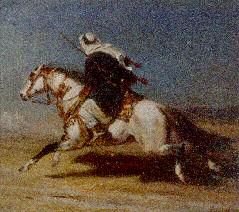
Puoi anche leggere


